


Bahan terbaik tergantung pada fokus latihan spesifik fasilitas Anda: Nilon adalah pilihan yang unggul untuk lintasan kereta luncur dengan lalu lintas tinggi karena titik lelehnya yang tinggi. Polyethylene (PE) sangat ideal untuk fitnes fungsional dan lantai karena sifatnya yang lembut. Polypropylene (PP) sebaiknya dihindari untuk pusat kebugaran komersial.
Sebagai seorang insinyur produksi yang telah menghabiskan waktu bertahun-tahun untuk menganalisis komposisi serat, saya tahu bahwa sebagian besar pemilik gym tidak punya waktu untuk mempelajari kimia polimer. Anda ingin tahu apa yang harus dibeli, sekarang juga. Jadi, sebelum kita membahas spesifikasi teknik yang menentukan masa pakai, berikut ini adalah jawaban langsung berdasarkan bagaimana Anda akan menggunakan lantai Anda.
Jawaban Cepat: Rumput Apa yang Harus Anda Beli?
| Jika Anda Membutuhkan... | Bahan Terbaik Adalah... | Kenapa? |
|---|---|---|
| Mendorong Kereta Luncur Berat | Nilon | Titik leleh tertinggi; tidak akan meleleh karena gesekan. |
| CrossFit / Latihan Lantai | Polietilena (PE) | Sentuhan paling lembut; tidak ada "luka bakar" pada kulit. |
| Pelatihan Luar Ruangan | PE yang Diperlakukan dengan UV | Hidrofobik (menolak air) & stabil terhadap sinar UV. |
| Anggaran / Sementara | Polipropilena (PP) | Biaya terendah, tetapi cepat rata. |
| Kombinasi Cerdas | Jalur Nilon + Zona PE | Daya tahan untuk kereta luncur, kenyamanan untuk peregangan. |
Sekarang, mari kita lihat mengapa perbedaan ini ada. Di pabrik kami, kami melihat pemilik gym melakukan kesalahan besar dengan memperlakukan rumput seperti dekorasi. Kenyataannya adalah bahwa "rumput" adalah sebuah sistem yang direkayasa. Pemahaman terbuat dari bahan apa rumput gym adalah langkah pertama dalam memutuskan apakah itu tepat untuk fasilitas Anda, karena kinerja pada akhirnya ditentukan oleh kimia polimer benang.
Apa Saja Perbedaan Utama Antara Nilon, PE, dan PP?
Nilon menawarkan daya tahan dan ketahanan panas tertinggi, sehingga sangat penting untuk jalur kereta luncur. Polietilena (PE) memberikan keseimbangan terbaik antara kelembutan dan daya tahan untuk pelatihan umum. Polypropylene (PP) adalah pilihan anggaran yang tidak memiliki memori struktural untuk penggunaan komersial.
Untuk membuat pilihan yang tepat, Anda perlu memahami bagaimana bahan-bahan ini berperilaku di bawah tekanan.
1. Nilon ("Tangki"):
Nilon adalah standar emas untuk kinerja komersial. Struktur molekulnya memberikan titik leleh yang sangat tinggi (sekitar 220°C - 268°C). Ketika kereta luncur yang berat didorong dengan cepat, gesekan menghasilkan panas. Nilon menyerap panas ini tanpa berubah bentuk. Nilon juga memiliki "memori" yang sangat baik, yang berarti serat-seratnya dapat berdiri kembali setelah dihancurkan.
- Trade-off: Biaya produksinya lebih mahal dan bisa terasa agak kaku.
2. Polietilena / PE (Keseimbangan "Lembut"):
PE adalah pilihan paling umum untuk fitnes fungsional modern. Bahan ini jauh lebih lembut daripada nilon, sehingga menghilangkan risiko "karpet terbakar" selama gerakan lantai seperti burpees. Meskipun titik lelehnya lebih rendah dari nilon, PE berkualitas tinggi dengan berat permukaan yang tinggi sangat tahan lama dan ideal untuk area di mana atlet bersentuhan dengan lantai; fokus yang sama pada keamanan kulit adalah mengapa rumput sintetis adalah permukaan terbaik untuk taman bermain juga.
3. Polypropylene / PP (Jebakan "Anggaran"):
Kami sering menyarankan klien komersial untuk menghindari rumput PP murni untuk zona latihan utama. Meskipun murah, serat PP rapuh. Sekali bengkok, mereka cenderung tetap bengkok. Di jalan setapak dengan lalu lintas tinggi, rumput PP akan rata menjadi panekuk dalam beberapa bulan.
Pemeriksaan Realitas Anggaran: Biaya vs Masa Pakai
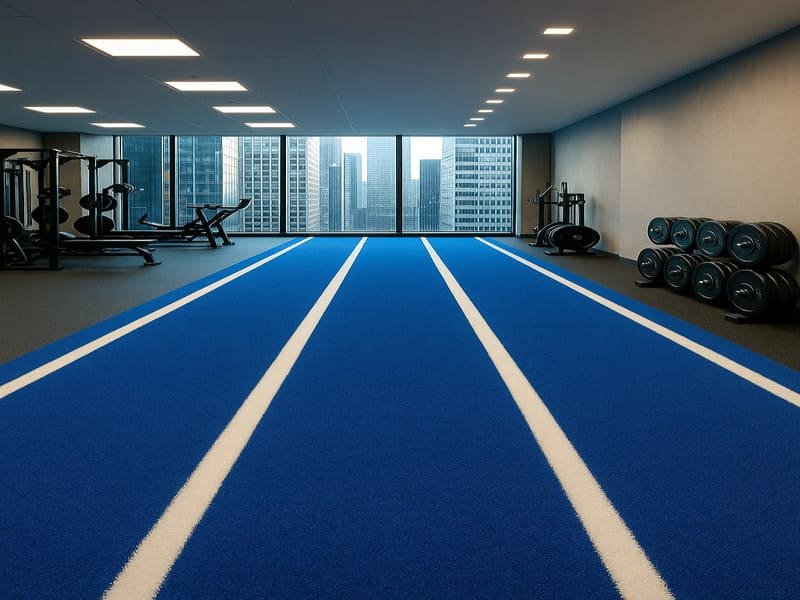
Nilon memiliki biaya di muka yang lebih tinggi tetapi biaya per tahun terendah karena umurnya yang panjang. Polietilena menawarkan ROI (Pengembalian atas Investasi) terbaik untuk pusat kebugaran umum. Polypropylene murah untuk dibeli tetapi mahal untuk dimiliki karena membutuhkan penggantian yang sering.
Sebagai produsen, saya percaya pada transparansi mengenai biaya. Banyak pemilik fasilitas yang hanya melihat harga per meter persegi pada faktur, tetapi mereka lupa menghitung Biaya Penggantian.
- Nilon: Anggap saja ini sebagai aset. Anda membayar premi di muka (sekitar 20-30% lebih besar dari PE), tetapi dirancang untuk bertahan selama 8-10+ tahun dalam pengaturan komersial.
- Putusan: Beli sekali, menangis sekali.
- Polietilena (PE): Ini adalah titik terbaik untuk 80% di gym. Harganya lebih terjangkau daripada Nylon dan, jika Anda memilih kepadatan tinggi (Dtex), maka akan bertahan 5-8 tahun.
- Putusan: Nilai Terbaik untuk Uang.
- Polypropylene (PP): Ini adalah biaya. Memang sangat murah di awal, tetapi di gym yang sibuk, alat ini akan terlihat usang dalam 12-24 bulan. Anda akan membayar untuk pemasangan, pelepasan, dan pemasangan ulang beberapa kali.
- Putusan: Ekonomi Palsu untuk Penggunaan Komersial.
Mengapa Spesifikasi Dtex dan Densitas Penting?
Dtex mengukur berat serat; nilai yang lebih tinggi (misalnya, di atas 8.000) mengindikasikan benang yang lebih tebal dan lebih tahan lama. Kepadatan yang tinggi mencegah serat menjadi kusut. Mengabaikan spesifikasi ini akan menyebabkan keausan dini, bahkan jika Anda memilih bahan yang tepat.
Anda dapat memiliki dua gulungan "Nylon Turf," tetapi jika salah satu dari gulungan tersebut direkayasa dengan buruk, maka gulungan tersebut akan gagal. Sebagai seorang insinyur, saya melihat Dtex (Decitex). Ini mengukur kerapatan massa linier serat.
- Dtex rendah (misalnya, 5.500): Tipis, mudah robek. Seperti kaos murahan.
- Dtex tinggi (misalnya, 10.000+): Tebal, kuat, dan berisi. Seperti denim yang berat.
Jika pemasok tidak dapat memberi tahu Anda tentang Dtex, kemungkinan besar mereka tidak mengetahui kualitas produk mereka sendiri. Selanjutnya, Kepadatan (tingkat jahitan) sangat penting. Rumput dengan kepadatan tinggi dapat menopang dirinya sendiri-serat-seratnya saling menopang satu sama lain, menciptakan permukaan yang seragam yang memungkinkan kereta luncur meluncur daripada menggali.

Apakah Kustomisasi Bertatahkan Lebih Baik Daripada Tanda Cetak?
Ya, tatahan secara signifikan lebih baik daripada pencetakan permukaan. Inlaying melibatkan penatahan benang berwarna langsung ke bagian belakang, menciptakan tanda permanen. Tanda yang dicetak hanyalah tinta di permukaan, yang akan memudar dan luntur.
Jangan semprotkan cat pada rumput Anda. "Tinta" berada di atas serat plastik. Kereta luncur dan sepatu berfungsi seperti amplas, menghilangkan tinta tersebut dari waktu ke waktu.
Proses "Tatahan":
Di pabrik kami, kami menggunakan tatahan. Kami secara fisik memotong rumput hijau dan menjahitnya menjadi potongan rumput putih, merah, atau biru, atau memprogram mesin untuk menjahit benang berwarna.
- Kinerja: Garis putih terbuat dari bahan tahan lama yang sama seperti rumput hijau. Ini dipakai dengan lantai, bukan off lantai.
- Fungsionalitas: Kita bisa menyematkan tangga kelincahan atau logo. Hal ini mengubah lantai dari permukaan pasif menjadi alat latihan yang aktif.
Bahan Rumput Olahraga Apa yang Tepat untuk Fasilitas Anda?
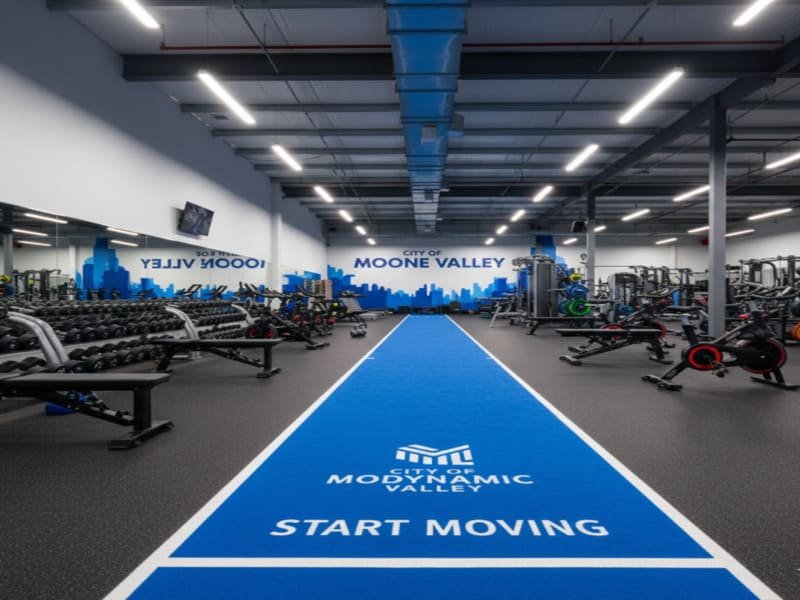
Pilih Nilon untuk jalur kereta luncur khusus untuk mencegah meleleh. Pilih Padded Polyethylene (PE) untuk area fungsional di mana atlet membutuhkan kenyamanan kulit. Gunakan PE yang diberi perlakuan UV untuk ruang luar ruangan.
Jangan mencoba memaksakan satu bahan untuk melakukan segalanya. Sesuaikan teknik dengan aktivitas:
Skenario 1: Pembangkit Tenaga (Manusia Kuat / Angkat Besi)
- Perlu: Dorongan kereta luncur yang berat, ban terbalik.
- Pilihan: Nilon bertekstur.
- Alasan: Anda membutuhkan ketahanan panas. Serat PE dapat menyatu di bawah gesekan kereta luncur yang cepat dan berat.
Skenario 2: Kotak Fungsional (CrossFit / HIIT)
- Perlu: Burpees, peregangan, latihan kereta luncur ringan.
- Pilihan: PE Kepadatan Tinggi dengan Bantalan Busa.
- Alasan: Anda membutuhkan keserbagunaan. Nilon terlalu kasar untuk pekerjaan lantai. PE yang empuk menawarkan penyerapan goncangan dan kenyamanan.
Skenario 3: Halaman Luar Ruangan
- Perlu: Paparan cuaca.
- Pilihan: PE yang Distabilkan dengan UV dengan Bagian Belakang Berlubang.
- Alasan: Nilon menyerap kelembapan; PE bersifat hidrofobik. Pastikan bagian belakang dilubangi untuk drainase.
Kesimpulan
Bahan "terbaik" bukan hanya tentang daya tahan-ini tentang mencocokkan spesifikasi dengan anggaran dan gaya latihan Anda. Gunakan Nylon untuk jalur kereta luncur yang berat, dan hemat dengan menggunakan PE yang nyaman untuk zona fungsional umum.
Jika Anda berdebat antara umur panjang Nylon dan penghematan biaya PE, izinkan kami membantu Anda menghitungnya. Hubungi tim saya hari ini, dan kami akan mengirimkan Anda Kit Sampel Produsen sehingga Anda dapat menyentuh bahan dan melihat sendiri perbedaan Dtex.