


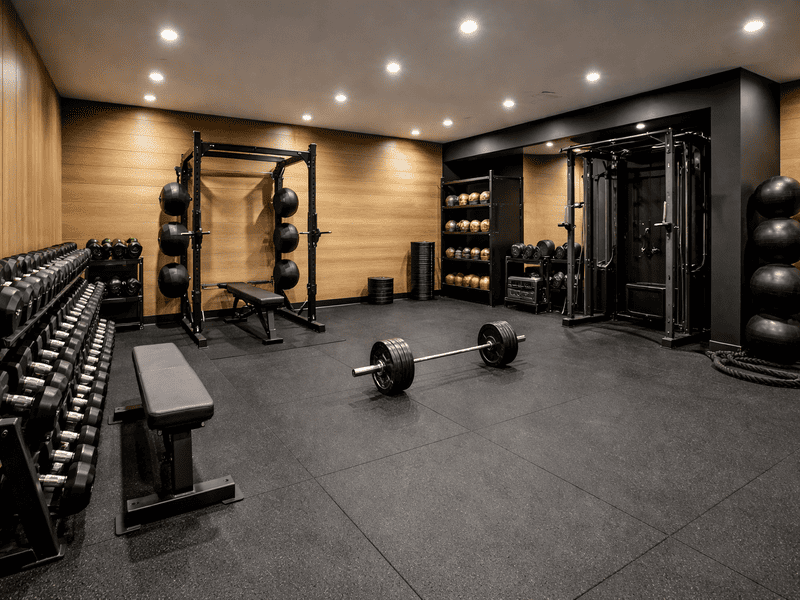
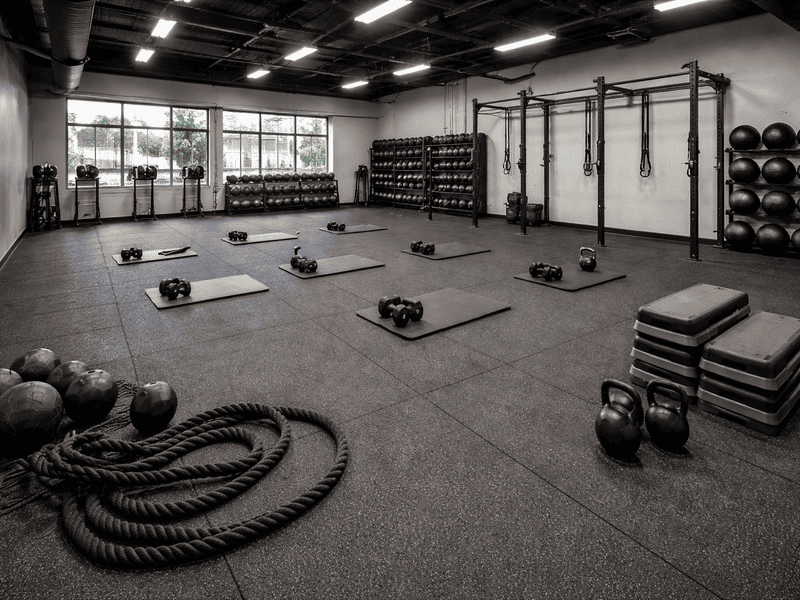
Untuk 90% gym komersial dan rumah, lantai terbaik adalah Karet Gulung 8mm-10mm. Lantai ini menawarkan keseimbangan optimal antara penyerapan goncangan, perlindungan sendi, dan daya tahan dengan biaya terendah per meter persegi. Namun, jika Anda membangun zona khusus untuk angkat beban Olimpiade atau memiliki garasi yang berbentuk aneh, pilihan "terbaik" bergeser ke Matras Kepadatan Tinggi atau Ubin yang Saling Mengunci.
Pasar dibanjiri dengan produk-produk yang terlihat identik di foto tetapi memiliki performa yang sangat berbeda di dunia nyata. Selama 15 tahun saya mengelola produksi dan pemasangan lantai gym, saya telah melihat banyak sekali pemilik fasilitas yang mengganti lantai "murah" mereka dalam waktu tiga tahun karena lantai tersebut hancur, melengkung, atau berubah bentuk secara permanen. Perbedaannya jarang terletak pada hasil akhir yang estetis, tetapi pada rekayasa kimia di bawah permukaan.
Ketika kami memproduksi lantai, kami melihat parameter yang diabaikan oleh sebagian besar pembeli: kepadatan, rasio pengikat, dan vulkanisasi. Sebagai seorang insinyur, tujuan saya adalah untuk membantu Anda melihat lebih jauh dari deskripsi pemasaran dan memahami ilmu material. Panduan ini adalah untuk memastikan investasi Anda bertahan selama satu dekade, bukan hanya satu musim.
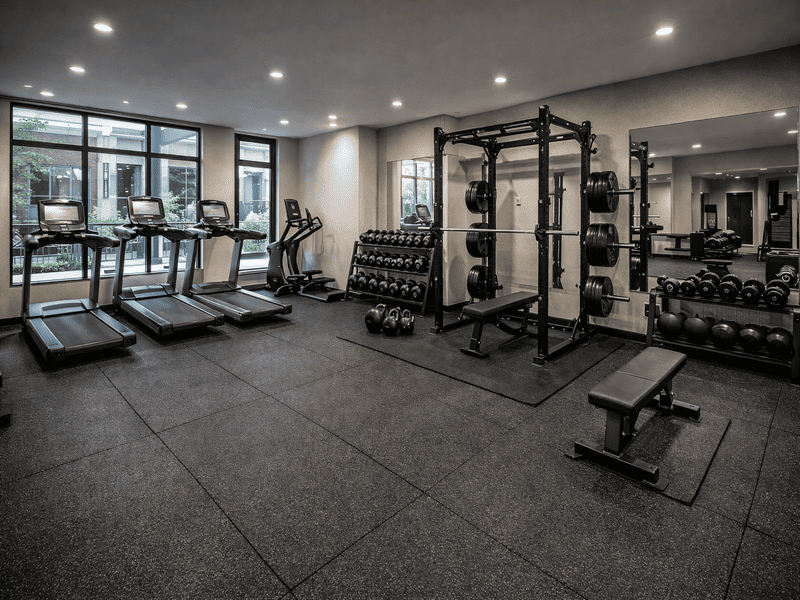
Jika Anda sedang terburu-buru dan membutuhkan rekomendasi profesional dengan segera, gunakan tabel di bawah ini.
Matriks Keputusan 30 Detik: Apa yang Harus Anda Beli?
Sebelum menyelami spesifikasi teknik, kenali profil pengguna Anda. Berdasarkan ribuan instalasi, berikut ini adalah spesifikasi standar yang kami rekomendasikan untuk setiap skenario:
| Jika Anda... | Pilihan Terbaik Adalah... | Spesifikasi yang Disarankan | Mengapa? (Pendapat Insinyur) |
|---|---|---|---|
| Pemilik Pusat Kebugaran Komersial | Gulungan Karet | Ketebalan 8mm - 10mm | Tampilan yang mulus, paling mudah dibersihkan, rasio daya tahan terhadap biaya terbaik untuk area yang luas. |
| Rumah/Garasi Gym | Ubin yang Saling Mengunci | Ketebalan 8mm - 10mm | Pemasangan DIY yang mudah (tidak perlu lem), mudah dipasang di sekitar rintangan garasi. |
| Powerlifter / Pengangkat Berat | Tikar Kios (4'x6') | Ketebalan 15mm - 19mm | Kepadatan maksimum untuk melindungi pelat beton dari beban mati 200kg+. |
| Fungsional / CrossFit | Gulungan Karet + Jalur Rumput | Karet 10mm / Rumput Tumpukan Pendek | Karet untuk tetesan; Rumput untuk dorongan kereta luncur (gesekan karet terlalu tinggi untuk kereta luncur). |
| Studio Yoga / Peregangan | Ubin Karpet / Efek Kayu | Dukungan Busa Kepadatan Tinggi | Akustik dan kehangatan. Karet terasa terlalu "industri" dan dingin untuk pekerjaan lantai. |
Sekarang setelah Anda memiliki target, apakah Anda mengoptimalkan untuk dampak atau mereferensikan panduan bahan lantai kedap suara untuk pengendalian kebisingan, mari kita pahami "Spesifikasi Tersembunyi" yang menentukan apakah produk tersebut berkualitas atau sampah.
Spesifikasi "Tersembunyi" Apa yang Sering Disembunyikan oleh Produsen?
Untuk menilai kualitas, Anda harus mengevaluasi Densitas (kg/m³) untuk daya tahan, Kualitas Pengikat (VOC Rendah) untuk keamanan udara, dan Metode Manufaktur (Vulkanisir vs. Terikat) untuk ketahanan air.
Sebagian besar lembar data menyoroti ketebalan dan warna, tetapi ini adalah hal sekunder akibat keterbatasan teknik material. Berikut ini adalah perincian yang penting:
1. Kepadatan dan Faktor "Remah"
Densitas adalah ukuran massa per satuan volume. Dalam produksi, kami mengontrol ini dengan tekanan yang diterapkan selama proses pencetakan. Matras dengan densitas rendah (biasanya di bawah 800 kg/m³) terasa empuk, tetapi tidak memiliki kohesi internal untuk menahan gaya geser sepatu yang berputar. Seiring waktu, Anda akan melihat "butiran terbang keluar", di mana remah-remah karet terlepas. Untuk aplikasi komersial, saya selalu menetapkan densitas minimum 950-1000 kg/m³.
2. Uji Bau (Kualitas Pengikat)
Jika Anda membuka sampel dan terkena bau asam yang menyengat (seperti ban terbakar), produsen telah menggunakan pengikat yang murah, berbahan dasar belerang atau asam. Lantai premium menggunakan pengikat poliuretan berkualitas tinggi yang lembam dan hampir tidak berbau. Hal ini sangat penting untuk kualitas udara dalam ruangan (VOC), terutama di pusat kebugaran rumahan kecil dengan ventilasi yang buruk.
3. Vulkanisir vs Remah Berikat
Ini adalah pembeda teknis terbesar.
- Remah Berikat: Butiran karet yang direkatkan. Berpori-pori. Jika Anda menumpahkan protein shake, maka akan merembes menjadi tikar dan membiakkan bakteri.
- Karet Vulkanisir: Karet diawetkan dengan panas di bawah tekanan yang sangat besar menjadi lembaran padat dan tidak berpori. Karet ini tahan air, lebih kuat (kekuatan tariknya lebih tinggi), dan jauh lebih bersih, meskipun harganya lebih mahal.
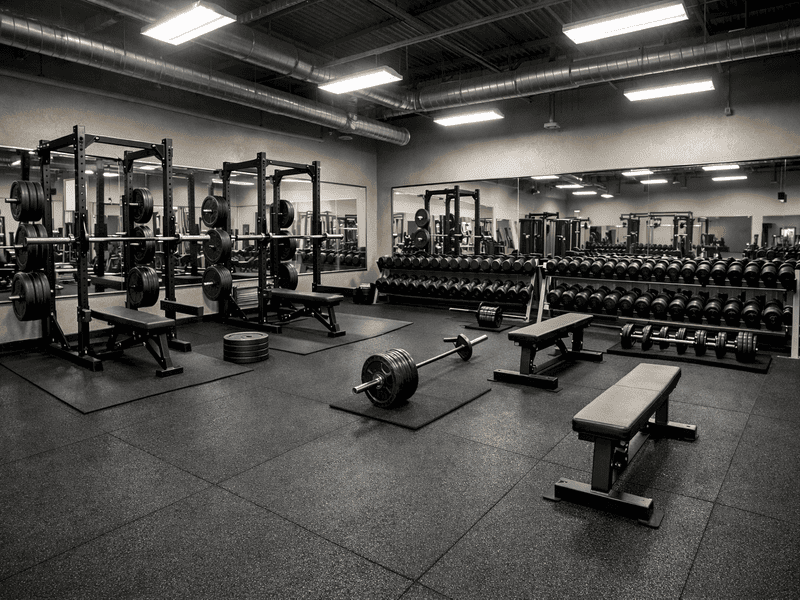
Setelah Anda memahami kualitas bahan, Anda harus memilih format yang tepat untuk tata letak fasilitas Anda.
Gulungan, Ubin, atau Tikar: Format Mana yang Sesuai dengan Kebutuhan Teknik Anda?
Gulungan menawarkan tampilan komersial yang mulus, Ubin yang Saling Mengunci memberikan fleksibilitas modular untuk pengaturan DIY, dan Matras yang Berdiri Sendiri memberikan perlindungan benturan maksimum untuk zona pengangkatan berat.
Dari perspektif instalasi dan manufaktur, setiap format menghadirkan keuntungan dan tantangan mekanis yang unik.
Gulungan Karet
Kami memproduksinya dalam lembaran panjang yang berkesinambungan. Produk ini merupakan standar untuk fasilitas komersial karena meminimalkan jahitan. Lebih sedikit jahitan berarti lebih sedikit bahaya tersandung dan lebih sedikit penetrasi cairan ke lantai dasar.
- Kenyataan: Gulungan ini berat (biasanya lebih dari 100kg per gulung) dan sulit untuk dipotong dengan sempurna tanpa pengalaman profesional.
Ubin yang Saling Mengunci
Pada dasarnya ini adalah "potongan puzzle" yang dipotong dari gulungan atau dicetak satu per satu. Mereka adalah pilihan insinyur untuk ruangan yang tidak beraturan karena menghasilkan lebih sedikit limbah.
- Kenyataan: Waspadalah terhadap interlock yang "murahan". Jika desain tab terlalu dangkal atau tingkat penyusutan karet tidak diperhitungkan dengan benar, jahitannya akan renggang atau muncul saat dibebani.
Matras yang berdiri sendiri (4'x6')
Ini biasanya dicetak dengan kompresi (kepadatan tinggi). Mereka adalah "tangki" lantai yang tidak dapat dihancurkan tetapi tidak menyenangkan secara estetika.
- Kenyataan: Tantangan utamanya adalah manajemen celah; mereka akan bergeser jika tidak dibatasi oleh pembatas atau alat berat.
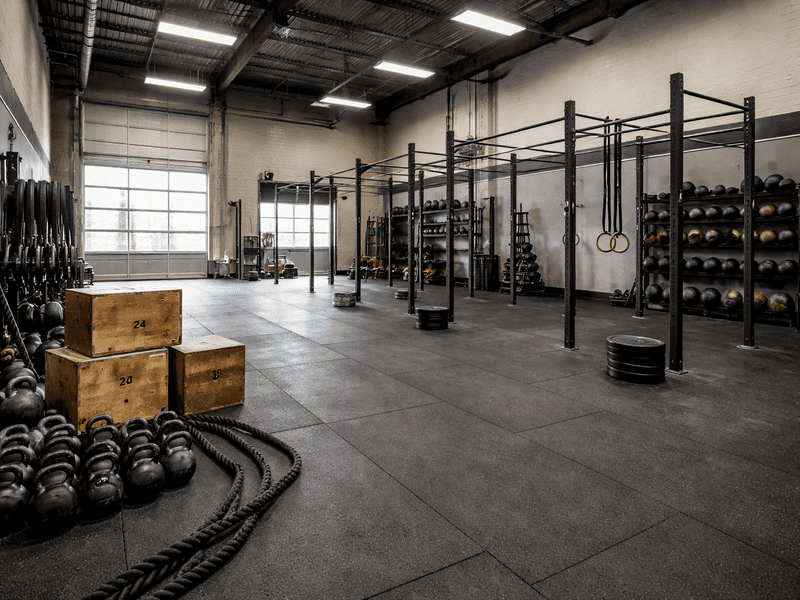
Dengan format yang dipilih, kita harus menerapkan fisika untuk menentukan ketebalan yang diperlukan.
Bagaimana Fisika Menentukan Ketebalan Lantai yang Ideal?
Persyaratan ketebalan ditentukan oleh penyerapan energi benturan ($E = 1/2mv ^ 2$); 8mm adalah garis dasar untuk perlindungan, sedangkan angkat besi yang berat memerlukan 15mm+ untuk mencegah "bottoming out."
Sebagai insinyur, kami menghitung ketebalan lantai berdasarkan "distribusi gaya". Ketika beban berat menghantam lantai, energi harus dialirkan ke suatu tempat.
Penggunaan Kardio & Ringan (6mm - 8mm)
Untuk treadmill dan mesin yang dipilih, lantai terutama berfungsi sebagai penahan abrasi. Melindungi beton atau kayu asli dari goresan. 8mm memberikan kekakuan yang cukup untuk mencegah mesin bergoyang-goyang, tetapi cukup empuk untuk mengurangi kebisingan getaran.
Pelatihan Fungsional (8mm - 10mm)
Ini adalah titik manisnya. Jika lantai terlalu tebal dan empuk, maka akan menimbulkan ketidakstabilan (kebocoran energi) bagi atlet. Jika terlalu tipis, maka akan menyulitkan persendian. Gulungan 10mm biasanya menawarkan durometer (kekerasan) yang tepat untuk menyeimbangkan stabilitas dengan penyerapan guncangan.
Angkat Besi Berat (15mm - 50mm)
Di sinilah fisika tidak kenal ampun. Jika Anda menjatuhkan 200kg di atas matras 8mm, karet akan langsung memampat hingga batas maksimumnya-ini disebut "bottoming out". Gaya yang tersisa akan berpindah langsung ke beton, menyebabkan beton retak. Untuk pengangkatan Olimpiade, kami membutuhkan minimal 15mm, dan idealnya, platform komposit.
Bahkan bahan bermutu tinggi pun akan gagal jika protokol pemasangan diabaikan.
Apa Saja Realitas Instalasi dan Pemeliharaan?
Keberhasilan bergantung pada persiapan dan pemahaman subfloor yang ketat apa yang ada di bawah lantai gym karet untuk memastikan stabilitas struktural, khususnya pengujian kelembaban untuk mencegah kegagalan perekat, dan menggunakan pelumasan untuk pemotongan yang tepat.
Saya pernah dipanggil untuk memperbaiki lantai yang "rusak" yang sebenarnya hanya dipasang dengan buruk. Ilmu pemasangan sama pentingnya dengan produk itu sendiri.
Persiapan Subfloor: Perangkap Kelembaban
Beton itu seperti spons yang kaku; ia menahan air. Sebelum memasang karet, terutama jika merekatkannya, Anda harus menguji Tingkat Emisi Uap Kelembaban (MVER). Jika uap air naik dari lempengan dan terperangkap di bawah alas karet yang tidak berpori, uap air tersebut akan melarutkan perekat dan menumbuhkan jamur.
Teknik Pemotongan
Memotong karet dengan kepadatan tinggi menciptakan gesekan yang sangat besar. Karet "mencengkeram" mata pisau, memanaskannya. Trik produksi yang kami gunakan di lokasi sangatlah sederhana: celupkan mata pisau serbaguna Anda ke dalam air sabun sebelum memotong. Ini berfungsi sebagai pelumas, sehingga mata pisau dapat meluncur dengan baik untuk mendapatkan hasil akhir yang sempurna.
Protokol Pembersihan
Pengikat karet adalah polimer kimia. Jika Anda menggunakan pelarut yang keras, pemutih, atau pembersih berbahan dasar minyak, Anda akan menyerang pengikat secara kimiawi. Lantai pada akhirnya akan menjadi lengket atau rapuh. Gunakan pembersih dengan pH netral yang dirancang khusus untuk karet untuk memperpanjang masa pakai bahan kimia produk.
Kesimpulan
Lantai gym terbaik menyeimbangkan kepadatan, ketebalan, dan format terhadap kebutuhan mekanis spesifik Anda. Untuk sebagian besar dari Anda, Karet Gulung 8mm adalah jawaban teknik yang tepat. Ini melindungi atlet Anda dari cedera dan lantai dasar Anda dari kerusakan parah.
Jika Anda saat ini sedang mendesain fasilitas atau memecahkan masalah kerusakan lantai, jangan mengandalkan tebakan. Saya dan tim teknisi saya siap untuk meninjau spesifikasi Anda dan mengirimkan sampel yang lulus "uji bau" dan pemeriksaan kepadatan. Hubungi kami untuk konsultasi teknis atau sampel kit untuk merasakan sendiri perbedaannya.