


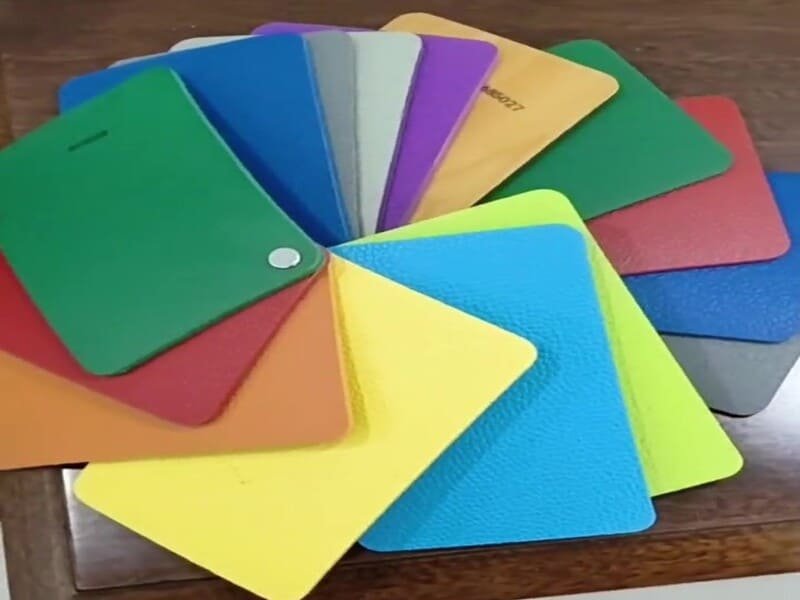
、EN 14904 is the European standard that sets strict safety and performance rules for indoor multi-sports flooring to protect athletes and ensure fair play.
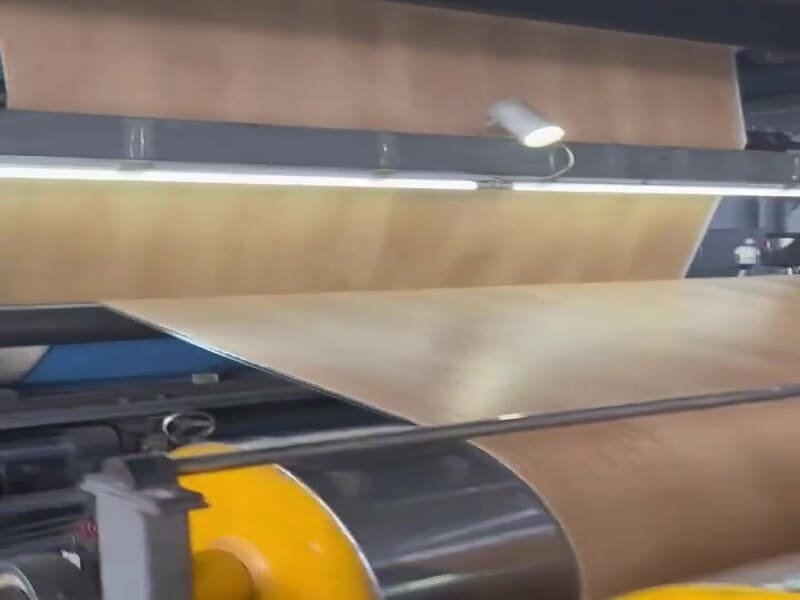
Every single day on our factory floor, I test and check PVC sports flooring rolls. I know that choosing the right gym surface is not just about choosing a pretty color or a cheap price. A bad floor hurts athletes, causes bad joint pain, and brings massive legal trouble to gym owners and builders. This detailed guide uses my real-world factory experience to explain the EN 14904 standard in plain words. You will learn the exact testing rules, key technical numbers, and simple ways to spot real certificates so you can buy the best floor for your project.
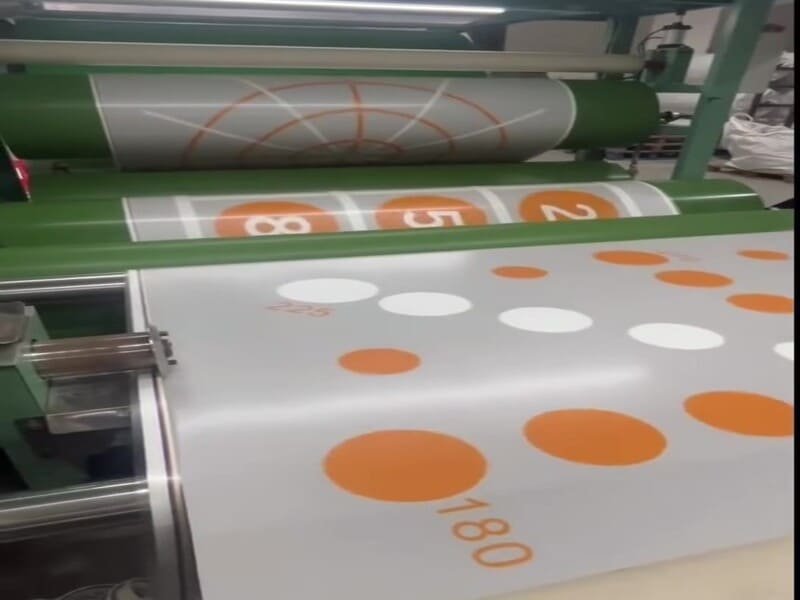
Let us look at why this standard is so important for your business and how it saves you money.
Why EN 14904 Compliance Matters?
EN 14904 compliance prevents athlete injuries by absorbing shock, reduces legal liability for gym owners, and guarantees that your floor lasts for many years under heavy use.
When I run quality tests on our PVC sports floors, I think about the people who jump and run on them. Non-compliant floors are stiff like concrete, which sends bad vibrations into the legs of players and ruins their joints over time. If you install a cheap, uncertified floor in a public school or a commercial fitness center, you face huge legal risks and expensive lawsuits when someone gets hurt. Also, certified floors do not crack, dent, or lose their soft feel when heavy sports gear rolls over them. Buying a certified product protects your money and keeps your customers safe.
| منطقة المخاطر | Non-Compliant Flooring Impact | EN 14904 Compliant Flooring Benefit |
|---|---|---|
| Athlete Safety | High joint impact, severe muscle fatigue, frequent ankle slips | High shock absorption, controlled foot traction, safe joints |
| Legal Status | High risk of lawsuits, facility closure, failed building inspections | Full legal compliance, low insurance risks, approved safety |
| Floor Lifespan | Fast wear, deep surface cracks, permanent heavy equipment dents | Long-term shape retention, high abrasion resistance, durable |
We will now break down the four distinct types of flooring systems defined by this European rule.
What Are the 4 Sports Flooring Categories Under EN 14904?
The four flooring categories are Area-Elastic, Point-Elastic, Combi-Elastic, and Mixed-Elastic, and each type suits different kinds of sports and gym designs.
Understanding the Structural Differences
As a quality controller, I need to know how different materials handle impact energy. Point-Elastic floors are usually made of thick PVC or rubber where the surface drops only at the exact spot where the foot lands. This is perfect for local fitness centers, yoga spaces, and martial arts rooms because it gives great comfort under your feet. Area-Elastic floors use large wood designs on top of wood subfloors, meaning the floor bends across a wider zone when a player lands. This is the traditional setup for professional basketball and volleyball courts. Combi-Elastic floors mix a wood base with a soft PVC top layer, while Mixed-Elastic floors use a special stiffening layer inside synthetic materials.
| Flooring Category | Main Material Design | أفضل سيناريو للتطبيق |
|---|---|---|
| Area-Elastic (Type A) | Wooden systems with complex subfloor structures | Professional basketball, competitive volleyball |
| Point-Elastic (Type P) | Specialized PVC flooring, vulcanized solid rubber | Fitness studios, school gyms, indoor tennis |
| Combi-Elastic (Type C) | Area-elastic wooden base with a point-elastic top | Multi-purpose sports halls, premium training hubs |
| Mixed-Elastic (Type M) | Synthetic composition with unique stiffness parts | Specialized athletic tracks, mixed indoor sports |
Let us move directly into the hard lab numbers that every floor must achieve to pass my daily inspection.
What Are the Core Technical Requirements of EN 14904?
The core technical requirements demand specific ranges for shock absorption, vertical deformation, surface friction between 80 and 110, and a ball rebound of 90% or more.
The Hard Lab Metrics Defined
1. Force Reduction (Shock Absorption)
This test measures how much impact force the floor takes away from the human body. For our Point-Elastic PVC sports floors, we look at the P1, P2, and P3 classes. A P1 floor needs 25% to 34% shock absorption, while a P2 floor needs 35% to 45%. If you look at wood Area-Elastic floors like A3 or A4, they require 45% to 75% force reduction.
2. Vertical Deformation
This metric checks how deep the floor sinks when an athlete lands hard. For Point-Elastic PVC floors, the movement is very small, often under 2 mm. For Area-Elastic wood floors, it can go up to 5 mm. Too much movement hurts your ankles, while too little movement hurts your knees.
3. Friction and Slip Resistance
We use a special pendulum tester on the factory line to check friction. The final value must fall strictly between 80 and 110. If the number is below 80, the floor is a dangerous ice rink. If it is over 110, the player’s shoe sticks to the floor, which tears knee ligaments during fast turns.
4. Vertical Ball Behavior
We drop a standard basketball from a fixed height onto the sports floor and compare its bounce to a concrete floor. The basketball must bounce back to at least 90% of the concrete baseline height so game play feels real and natural.
| Key Performance Property | Required Standard Range | Main Practical Benefit |
|---|---|---|
| Shock Absorption (P1 class) | 25% to 34% Force Reduction | Protects leg joints during high jumps |
| Shock Absorption (A4 class) | 55% to 75% Force Reduction | Maximum protection for professional athletes |
| Vertical Deformation (PVC) | Less than 2.0 mm | Solid foot stability for fast lateral cuts |
| Surface Friction Value | 80 to 110 Pendulum Units | Prevents slipping while allowing smooth pivots |
| Vertical Ball Rebound | 90% or higher compared to concrete | Consistent ball bounce for basketball and futsal |
Beyond these core safety numbers, a good floor must also survive everyday wear and tear from heavy equipment.
What Are the Secondary Physical and Durability Requirements?
The secondary durability rules require a minimum 1500 N rolling load resistance, high resistance to shoe scuffs, and strong impact strength against dropped weights.
Long-Term Toughness and Lab Tests
In our factory lab, we do not just test the soft feel of the PVC. We also test its strength against real-world gym abuse. We roll a heavy steel wheel with a 1500 N force across the surface to make sure the floor will not crack or leave deep, ugly trenches when you move heavy bleachers or equipment carts. We also use a Taber Abrader machine to scratch the top wear layer with rough wheels, proving the floor can survive thousands of hours of shoe friction. Our impact test drops a heavy metal weight directly onto the sample to confirm that dropped gym dumbbells will not cause structural splits. Lastly, we check the gloss level under bright lights so the floor reflects very little glare, keeping players from being blinded during games.
| Durability Test Type | Minimum Passing Requirement | Real Gym Challenge Solved |
|---|---|---|
| Rolling Load Test | Minimum 1500 N with zero damage | Moving heavy bleachers and fitness machines safely |
| اختبار تابر للتآكل | Strict weight loss limits on wear layer | Constant scuffing from tough athletic shoes |
| Impact Strength Test | No cracking or splitting after weight drop | Accidental drops of metal dumbbells and sports gear |
| Surface Gloss Test | Low gloss percentage values | High glare from overhead stadium light fixtures |
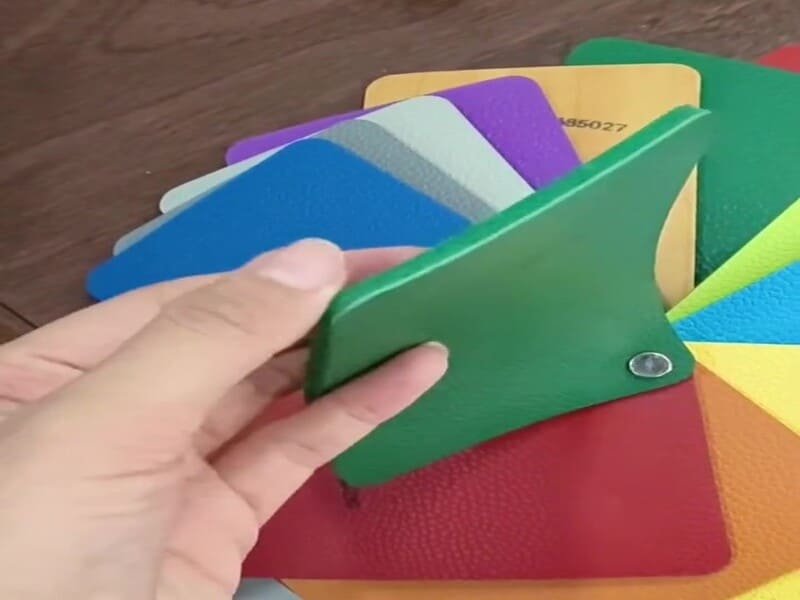
Next, let us look at the chemical safety and air quality rules that keep people safe inside closed gym rooms.
What Are the Safety and Environmental Standards?
The environmental standards require a high fire rating like Cfl-s1, zero toxic formaldehyde gas releases, and a total ban on dangerous pentachlorophenol chemical additives.
Indoor Air Quality and Chemical Control
As a factory quality inspector, I make sure our raw materials are completely clean before production begins. Indoor gyms are enclosed spaces where athletes breathe deeply, so bad chemical smells are a huge hazard. The EN 14904 standard forces us to test indoor air safety. Our PVC compound mixes must emit zero or ultra-low Volatile Organic Compounds (VOCs) and contain absolutely no formaldehyde gases. We also run strict chemical tests to verify that pentachlorophenol (PCP), a toxic preservative, is completely absent from our products. For fire safety, the flooring must pass the EN 13501-1 test to achieve a rating like Cfl-s1 or Bfl-s1, which means the floor slows down fires and produces very little smoke.
| Environmental Metric | Required Certified Standard | Health and Safety Benefit |
|---|---|---|
| Reaction to Fire Classification | Cfl-s1 or Bfl-s1 rating achieved | Slows flame spread and limits thick choking smoke |
| Formaldehyde Gas Emissions | Class E1 or zero total emissions | Pure indoor air that is safe for deep athletic breathing |
| PCP Chemical Content | Zero percent presence detected | Elimination of toxic heavy chemicals in the gym |
Now that you know the rules, I will share my expert checklist to help you check supplier test reports without making mistakes.
How Can B2B Buyers Verify a Real EN 14904 Test Report?
Buyers can verify real certification by demanding third-party reports from accredited labs like Labosport, matching product specs to the certificate, and avoiding internal factory notes.
Spotting Red Flags on Test Reports
I read lab certificates every single week, and I know how dishonest suppliers try to fool buyers. The biggest red flag is an "Internal Factory Quality Certificate." An internal note means nothing because a real EN 14904 badge must come from an independent, accredited third-party lab like Labosport or ISA Sport. When you hold a report, look closely at the product name and thickness listed on the page. If a supplier shows you a certificate for an 8 mm PVC floor but tries to sell you a cheaper 4.5 mm floor, that certificate is completely invalid for your project. Always look for a clear stamp, a valid report number, and a verifiable test date to ensure you get what you pay for.
| Step 1: Check the Lab | Step 2: Match the Product | Step 3: Verify the Date |
|---|---|---|
| Look for independent testing stamps from globally recognized labs like Labosport. | Ensure the product thickness, density, and model match your purchase invoice. | Confirm the test report is recent and has an official, verifiable tracking number. |
Let us summarize everything we discussed to help you choose your next sports floor with confidence.
الخاتمة
EN 14904 is a trusted global safety shield that guarantees your indoor sports floor absorbs hard shocks, resists dangerous slips, and lasts for years.
If you are planning a gym project, looking for wholesale PVC sports flooring, or need help checking your supplier’s test reports, please send me a private message right now! I am happy to share my factory testing experience to help you find a safe, fully compliant floor that fits your budget.