


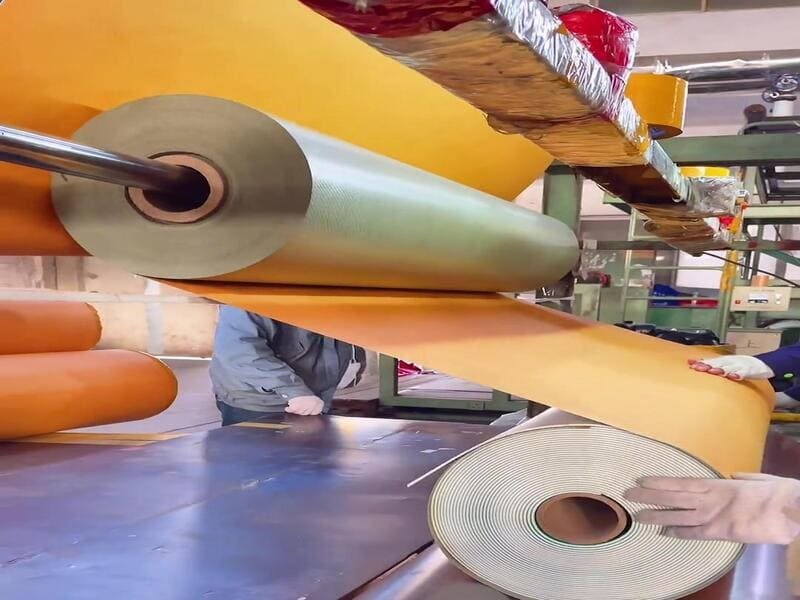
Repeat order quality stays consistent when a manufacturer locks the formula, controls raw materials at intake, and verifies every batch with spectrophotometer and thickness tests before shipment.
I have seen this problem many times in my years as a quality control manager. A buyer gets a perfect first sample. The first container looks great. Then the second order arrives, and the color is a bit off, the planks feel thinner, or the click system does not lock as tight as before. This is called "quality drift," and it happens when a factory does not treat production as a repeatable system. It treats each order as a new event instead of a copy of the last one. This creates real problems for you: project delays, unhappy customers, and damage to your brand name. In this guide, I will walk you through the exact system that top PVC flooring manufacturers use to stop this drift. I will cover formula locks, raw material checks, production line controls, and the final tests we run before a container leaves the factory.
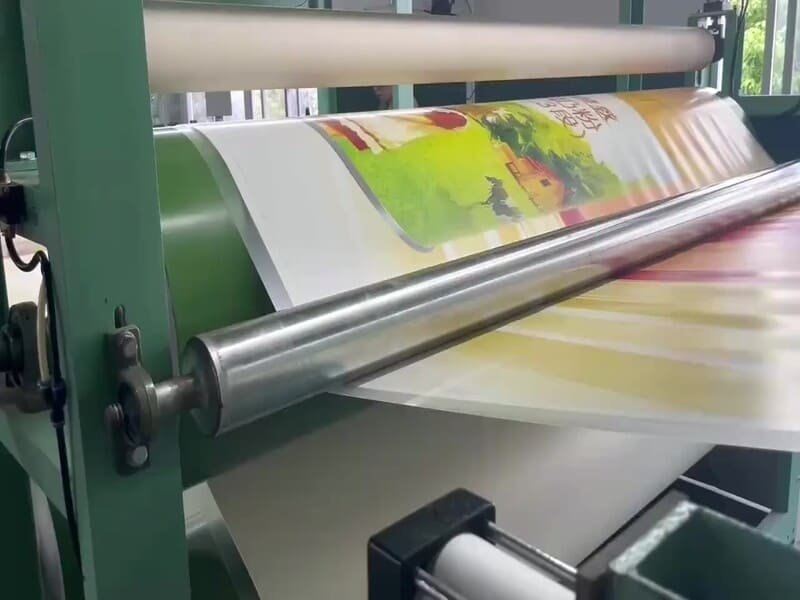
Quality drift is not bad luck. It is a sign that a factory skipped one or more steps in its process. Let me show you where these gaps usually start, and then how a strong factory closes them.
Why Does Quality Fluctuate in Repeat PVC Flooring Orders?
Quality fluctuates because raw material batches change, production line settings drift over time, and print film or UV coating lots vary between runs.
| السبب الجذري | What Happens | Result on Repeat Orders |
|---|---|---|
| Raw material shifts | PVC resin purity or CaCO₃ ratio changes | Density and weight vary |
| Line variable drift | Extrusion temperature or die wear changes | Thickness moves outside spec |
| Print/UV lot changes | New film batch or coating thickness used | Color and gloss shift |
| No locked BOM | Factory swaps materials without approval | Unpredictable performance |
I want to be direct about this. Raw material is the biggest driver of drift. If a factory does not lock the exact ratio of resin, plasticizer, stabilizer, and filler after the first approved batch, small changes creep in over time. Recycled regrind material is another risk, since its composition is never fully consistent unless it comes from a controlled internal source. On the production side, extrusion dies wear down with use, which slowly changes wear layer or core thickness. Temperature and pressure settings also drift if operators are not following a locked digital profile. Finally, print film lot numbers and UV coating thickness change the visual result, even when the base material is correct. A missing Bill of Materials (BOM) freeze is often the root cause behind all of this, since it allows unauthorized substitutions on the factory floor.
Once you understand where drift starts, the next question is simple. What does a factory actually do to stop it?
What Six-Step System Do Manufacturers Use to Guarantee Batch Consistency?
A reliable factory locks the formula, controls raw material intake, monitors extrusion in real time, matches color by instrument, verifies the click system, and archives every batch before shipment.
The Six Control Points
| الخطوة | مجال التركيز | Key Tool or Method |
|---|---|---|
| 1 | Formula lock | BOM freeze + Golden Sample |
| 2 | Raw material intake (IQC) | Resin ratio and heavy metal testing |
| 3 | Extrusion control (IPQC) | Laser thickness sensor, ±0.05mm |
| 4 | Color and film matching | Spectrophotometer, ΔE < 0.5 |
| 5 | Click system verification | Oven test, shrinkage ≤ 0.15% |
| 6 | Final inspection (FQC) | AQL 2.5/4.0 sampling, batch codes |
I always start with formulation locking. Once a customer approves the first batch, we freeze the Bill of Materials and store a Golden Sample in a climate-controlled room. Every new order gets checked side by side against that sample, not just against a paper spec sheet. Next comes incoming quality control, where we test every raw resin batch for purity and check filler particle size before it ever touches the line. During extrusion, automated dosing systems remove human weighing error, and laser sensors track thickness in real time so it never drifts outside tolerance. For color, we do not rely on the human eye alone. A spectrophotometer measures the exact color value under standard light, keeping ΔE below 0.5 between orders. We also test the click lock system after each production run, using oven aging tests to check for shrinkage or curling. Finally, every carton gets a batch code, so if a problem ever shows up, we can trace it back to the exact line, shift, and raw material lot used.
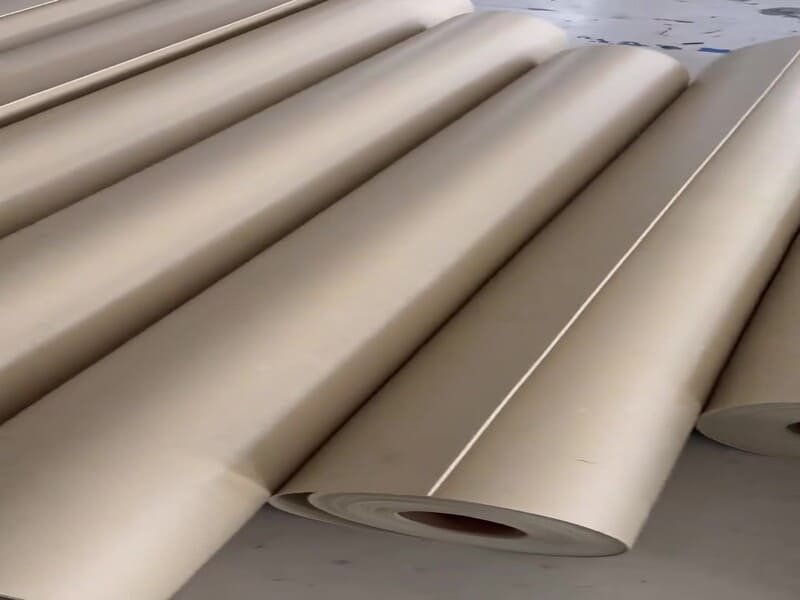
This system only works if you, as the buyer, know what to ask for. Let me show you what a strong purchase agreement should include.
What Should B2B Buyers Require From Their PVC Flooring Supplier?
Buyers should require a signed Golden Sample, a locked Technical Data Sheet, batch inspection reports, and clear tolerance limits written directly into the purchase order.
Before production starts, I recommend asking your supplier to sign off on a sealed Golden Sample and a formal Technical Data Sheet. This becomes your reference point for every future order. You should also require written notice before the factory changes any raw material supplier or formula, since even a small substitution can shift performance. During production, ask for a Certificate of Analysis and batch inspection report before the container gets loaded, along with the spectrophotometer color logs and click-tension test results. This gives you real data instead of a verbal promise. Finally, put your tolerance limits directly into the purchase order. This means writing exact numbers for color deviation, thickness range, density, and shrinkage rate. When these numbers are part of the contract, both sides have a clear standard to measure against, and there is no room for argument if something goes wrong later.
These questions come up often in my conversations with buyers, so let me answer the ones I hear the most.
What Are the Most Common Questions About Repeat Order Quality?
Most buyer questions center on acceptable color variation, recycled material use, click system fit, and what to do when a repeat container fails inspection on arrival.
Q1: How much color variation (ΔE) is acceptable between different production batches?
Most reputable factories aim for a ΔE below 0.5 when measured under D65 or TL84 standard light. Anything above 1.0 is usually visible to the human eye and should be flagged in your PO.
Q2: Can a supplier use recycled PVC without affecting quality of repeat orders?
Yes, but only if the recycled content ratio is fixed and tested in every batch. Unverified regrind sourced from different suppliers is the most common cause of unexpected density and weight shifts.
Q3: Why did the click system fit tightly on my first order but feel loose on the second?
This usually points to die or cutter wear on the milling tools. Without a scheduled tooling replacement plan, the click profile slowly loses precision over repeated production runs.
Q4: What should I do if a repeat container fails quality standards upon arrival?
Request the batch inspection report and traceability code first. This lets your supplier identify the exact production line and raw material lot, which speeds up root cause analysis and any claim resolution.
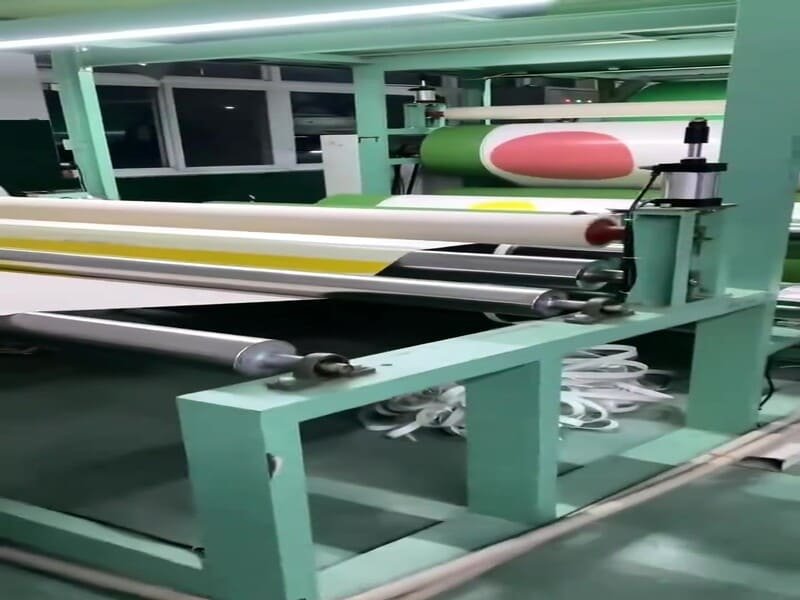
الخاتمة
Consistent repeat orders come from locked formulas, controlled production, and full batch traceability, not luck.
If you are sourcing PVC flooring and want a supplier who locks specs and proves consistency with real data, feel free to message me directly. I am happy to walk through your project requirements and share how our QA process protects your repeat orders.