


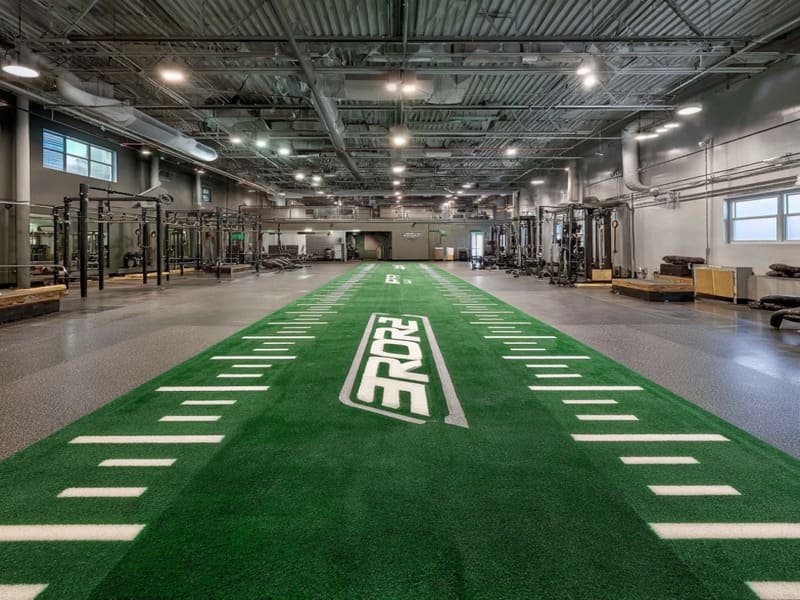
A full-service fitness solution is an integrated project management model that delivers a strategic "blueprint for success" rather than just equipment. It bridges the gap between a raw space and a profitable business by providing formal deliverables such as 2D/3D layouts, technical infrastructure audits, and proactive maintenance SOPs designed to maximize member capacity and minimize the Total Cost of Ownership (TCO).
As an R&D engineer at Gymmat, I have seen hundreds of gym owners lose 20-30% of their potential revenue before they even open their doors. They treat equipment as furniture, not as a system. From a manufacturing and engineering perspective, a "solution" means we don’t just ask how many treadmills you want; we ask about your floor’s weight-bearing capacity, your electrical load requirements, and your acoustic dampening needs. In our factory, we test how specific gym mat densities interact with equipment vibrations. A full-service approach translates these technical variables into business results. It’s the difference between buying a pile of steel and commissioning a high-performance revenue engine that is calibrated for your specific target demographic and location.
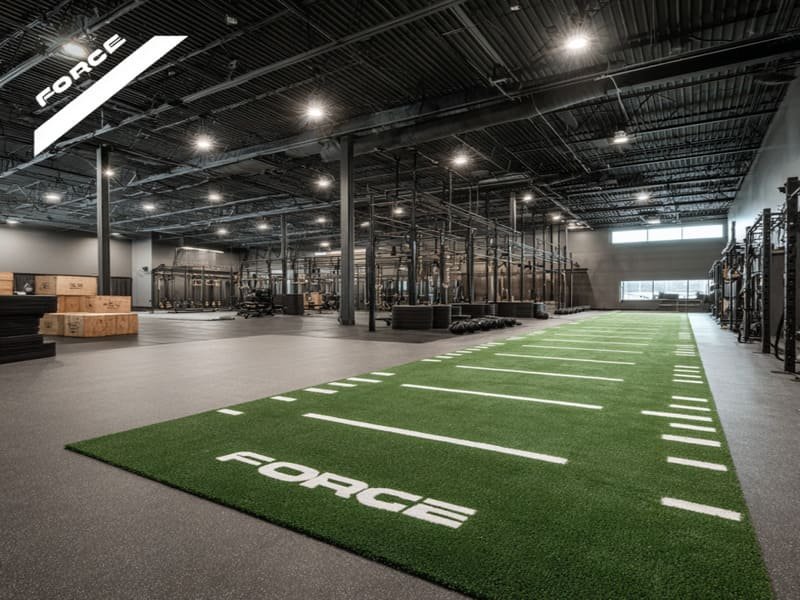
To help you move from a concept to a high-performing facility, we must look at exactly what you receive and how to measure the financial impact.
What Are the Tangible Deliverables of a Full-Service Fitness Solution?
The deliverables of a full-service solution are formal documents and services that mitigate risk and ensure operational efficiency. Unlike a retail purchase where you only receive an invoice, a professional solution provides a comprehensive project folder including 2D/3D spatial designs, a Bill of Materials (BOM) aligned with infrastructure specs, a technical installation report, and a Preventive Maintenance (PM) schedule.
| Project Phase | Concrete Deliverables | Impact on Your ROI |
|---|---|---|
| Discovery | Demographic Profile Analysis & Budget Priority Matrix | Prevents over-investment in unused "ego" equipment. |
| التصميم | 2D/3D Layouts, Power/Loading Audits, Acoustic Plans | Maximizes member flow and prevents costly structural retrofits. |
| Build | Logistics Schedule, Installation SOP, Safety Certification | Ensures Day 1 readiness and reduces liability risks. |
| Operation | Quarterly PM Schedule, Spare Parts Kit, Staff Training | Increases equipment lifespan by 3-5 years and lowers repair costs. |
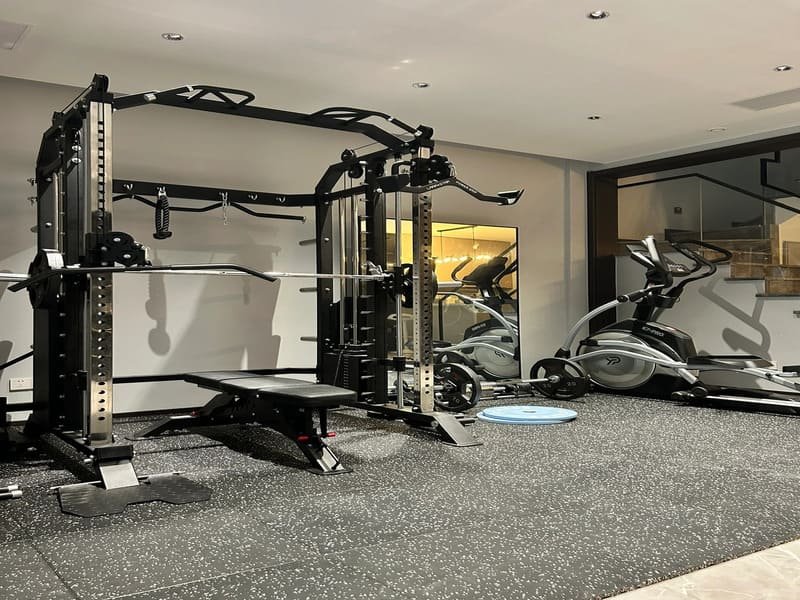
In my role, I emphasize that the "Design" phase is where the most money is made or lost. I’ve seen projects where the owner bought premium treadmills but didn’t account for the heat load, leading to air conditioning failures and membership cancellations during the first summer. A true full-service deliverable includes a "Power and Heat Dissipation Report." This is engineering-led consulting. We provide a Bill of Materials that isn’t just a list of machines; it’s a calculated load-out based on your square footage. For example, if we determine your "peak flow" is 40 people per hour, we engineer a layout that ensures no one waits more than two minutes for a core lift. You receive a formal "Safety Envelope Map" that proves every machine has the required clearance to meet international safety standards (like ISO 20957), which protects you from legal claims.
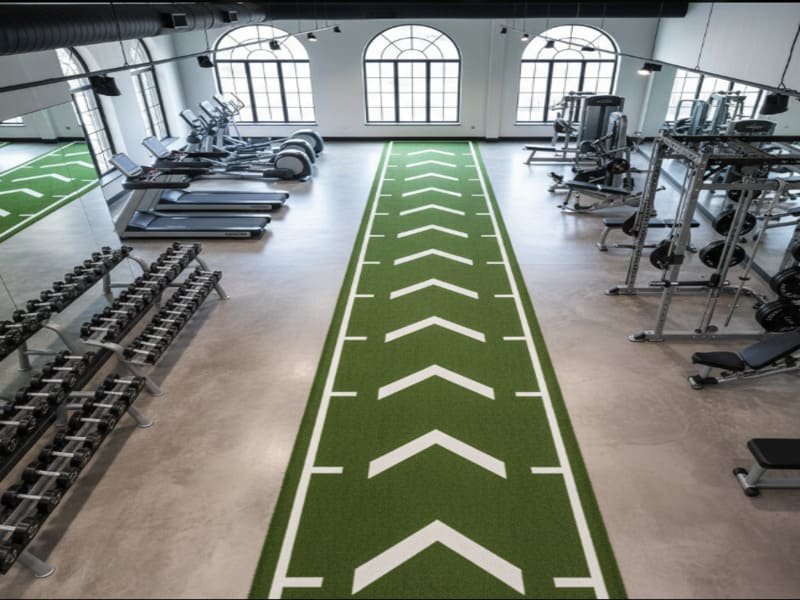
Having these deliverables is essential, but you also need to know exactly how to calculate the return on these investments.
How Do You Quantify the ROI of a Strategic Fitness Solution?
You can quantify the ROI by measuring the "Yield per Square Meter" and the "TCO Savings." By optimizing the layout to fit 15% more members and reducing equipment downtime through predictive maintenance, you can typically shorten your break-even period by 6 to 12 months compared to a non-optimized facility.
The Gym ROI Calculation Model (Example)
Let’s look at a hypothetical $300m^2$ facility:
- Capacity Gain: An optimized 3D layout adds space for 10 extra members per peak hour. At $100/month, that’s +$1,000/month.
- Downtime Prevention: A PM schedule reduces "Out-of-Order" days from 15 days/year to 2 days/year. This prevents an estimated 5% churn rate (membership cancellations).
- Extended Asset Life: Commercial-grade engineering extends machine life from 3 years to 7 years. Your annual depreciation cost drops by ~50%.
Simplified ROI Formula:
$$ROI = \frac{(Increased\ Revenue + Maintenance\ Savings) – Investment\ Premium}{Investment\ Premium}$$
Critical thinking suggests that ROI isn’t just about the money you make; it’s about the money you don’t lose. As an engineer, I calculate the "Mean Time Between Failures" (MTBF). If a cheap treadmill breaks every 200 hours of use, your ROI is dying a slow death through technician fees and unhappy members. Our solutions focus on high MTBF components—like self-lubricating belts and high-grade capacitors in the electronics. When we provide a "Total Cost of Ownership" (TCO) analysis, we show you that a $5,000 treadmill with a 7-year life is actually $2,000 cheaper than a $3,500 treadmill that dies in 2 years. We provide these calculation models to our clients so they can see the 60-month financial horizon, not just the Day 1 price tag. This data-driven approach removes the guesswork from gym ownership.
While the math is clear, the depth of the solution you need depends heavily on your specific business model.
Which Full-Service Solution Level Fits Your Specific Gym Type?
Different gym types require different engineering priorities. A boutique studio needs high-end aesthetics and acoustic management, whereas a large commercial club needs high-density layouts and extreme equipment durability. Choosing the right "Solution Depth" ensures you aren’t paying for services you don’t need while securing the ones you do.
| Gym Type | Core Objective | Full-Service Engineering Focus |
|---|---|---|
| استوديو بوتيك | Member Retention & UX | Aesthetics, Lighting, Soundproofing, Unique "Vibe" zones. |
| Commercial Club | High Volume & Scalability | Traffic Flow, Machine Density, TCO, 24/7 Durability. |
| Corporate/Hotel | Low Maintenance & Safety | Intuitive UI, Remote Monitoring, Quiet Operation. |
| Performance/CF | Safety & Floor Protection | High-impact Mats, Drop-zones, Structural Load Analysis. |
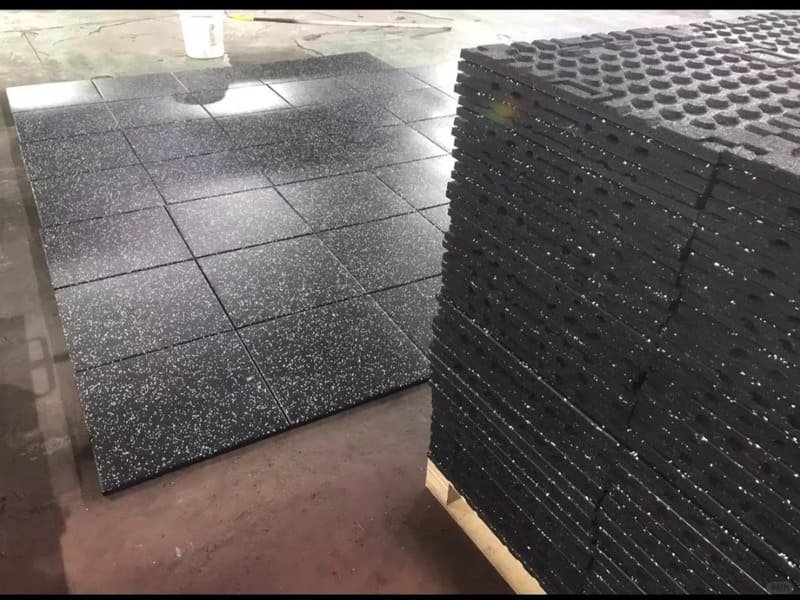
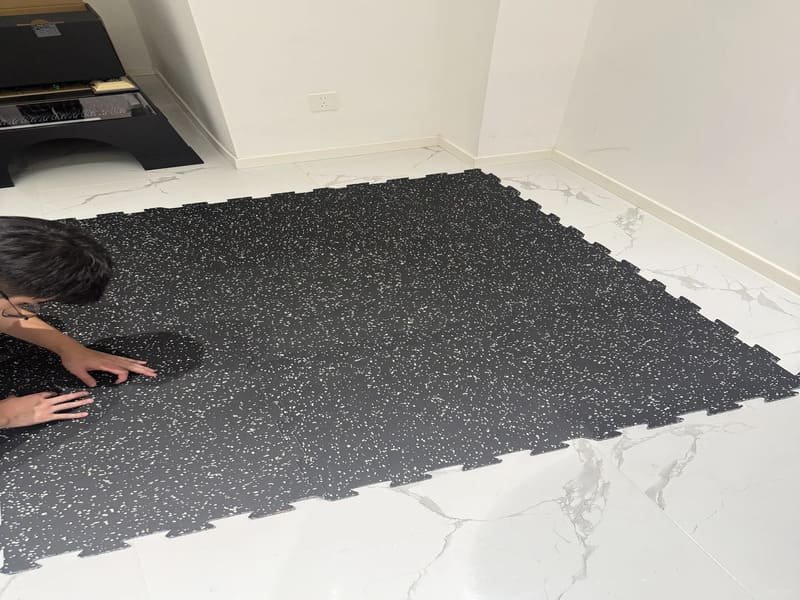
From my perspective in the R&D lab, a CrossFit box and a Hotel gym are two different engineering worlds. For a Performance center, I focus on the "Shore Hardness" of the rubber flooring and the impact-absorption of the weightlifting platforms. We deliver a "Vibration Mitigation Plan" to ensure that dropping a 100kg barbell doesn’t crack the building’s sub-floor. For a Hotel gym, I prioritize "User-Intuitiveness." The machines must be so easy to use that a guest doesn’t need a trainer. We provide "Digital Onboarding" stickers and QR codes on every machine. This scenario-specific engineering is what makes a solution effective. If a provider offers you the same layout for a hotel as they do for a commercial gym, that is a "Red Flag." You need a partner who adapts the technical specs to your specific business constraints.
Once you know what you need, the final step is knowing how to vet the people who will build it.
How Can You Verify if a Fitness Solution Provider Is Truly Qualified?
You can verify a provider by checking for "Red Flags" like lack of site-specific data collection or a missing SLA (Service Level Agreement). A qualified partner must provide a detailed Installation & Commissioning report, evidence of spare parts availability, and a portfolio of similar-scale projects that demonstrate long-term equipment performance.
The 10-Point Provider Checklist:
- Site Survey: Do they measure your actual floor and check power/access?
- SLA Guarantee: Do they guarantee a 24-48 hour repair response time?
- BOM Detail: Is the quote transparent, or is it just a "lump sum"?
- Certifications: Is the equipment ISO, CE, or TUV certified?
- Design Depth: Do they provide 3D renders with actual lighting/texture?
- References: Can you talk to a gym owner who has used them for 3+ years?
- In-House Team: Do they use their own installers or unverified third parties?
- Training: Do they provide SOPs for your staff to perform daily checks?
- Spare Parts: Do they keep 90% of wear-parts (cables/belts) in local stock?
- Financial Health: Have they been in business long enough to honor a 5-year warranty?
In my experience, the biggest "Red Flag" is a provider who doesn’t ask for your floor plan before giving a price. If they don’t care about your space, they don’t care about your ROI. As an engineer, I look for partners who provide an "Installation Checklist" that includes torque-testing every bolt and leveling every machine with a laser. We provide our partners with these technical standards because we know that a machine that isn’t perfectly level will wear out its bearings 20% faster. Trust is built on technical transparency. If a provider cannot tell you the "Duty Cycle" of their treadmill motors or the "Gauge of Steel" in their racks, they are a vendor, not a solution provider. A partner should be able to explain the "Why" behind every recommendation they make.
الخاتمة
A full-service fitness solution is a technical partnership that secures your gym’s financial future.
If you are ready to move beyond simple equipment shopping, my technical team at Gymmat is here to help. We can provide you with a Preliminary Spatial Audit or send you High-Density Mat Samples و Technical Spec Sheets to help you evaluate our manufacturing standards. Please reach out to our team to request a personalized quote or a free consultation for your project.