


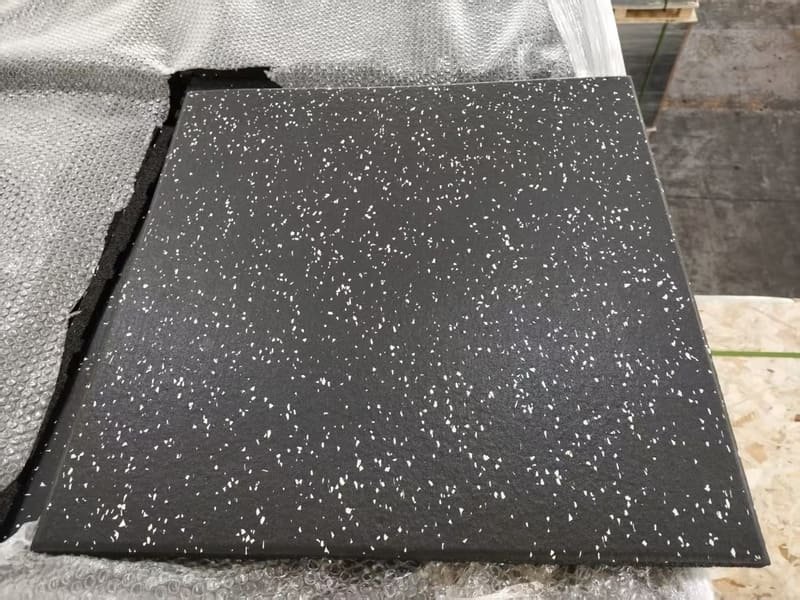
نعم، الأرضيات المطاطية آمنة وفعالة للغاية في الأقبية الرطبة لأنها غير عضوية ومقاومة للماء. وهو لا يدعم نمو العفن، ولكن نجاحه يعتمد على استخدام مطاط مبركن غير مسامي أو السماح بتدفق الهواء في الطابق السفلي لمنع الرطوبة من الاحتباس.
يكافح العديد من مالكي المنازل للعثور على أرضية تتحمل بيئة القبو الفريدة من نوعها. عليك أن تتعامل مع الرطوبة والخرسانة الباردة والتهديد المستمر بالتسريبات. هل يمكن للمطاط - وهو مادة غالباً ما تستخدم في الصالات الرياضية - أن يتحمل حقاً الطابق السفلي الرطب؟ الإجابة واضحة نعم. على عكس الخشب أو السجاد، لا يتعفن المطاط. ومع ذلك، فإن طريقة التركيب تحدث فرقاً كبيراً. اختيار النوع المناسب من المطاط والتخطيط لكيفية تحرك الرطوبة تحت السطح يضمن لك مساحة صحية تدوم طويلاً.
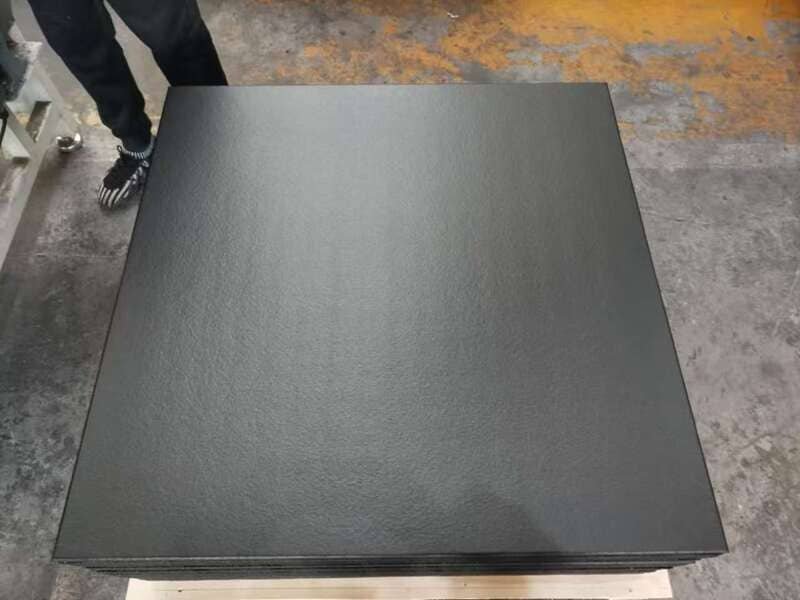
أرضيات الطابق السفلي هي معركة مستمرة ضد العوامل الجوية. يمكن أن تتلف الأرضية الخشبية الراقية في موسم واحد فقط. أنت بحاجة إلى مادة تتعامل مع الرطوبة كمشكلة بسيطة بدلاً من أن تكون كارثة كاملة.
لماذا تعتبر الطوابق السفلية معادية للأرضيات التقليدية؟
تواجه الطوابق السفلية ضغطاً هيدروستاتيكياً حيث تندفع الرطوبة عبر الألواح الخرسانية وتتسبب رطوبة الهواء في تشوه الخشب أو رائحة السجاد. تفشل المواد التقليدية مثل الألواح الخشبية والخشب الصلب لأنها مواد عضوية تمتص الماء، مما يؤدي إلى تعفن سريع وفشل هيكلي وجودة هواء داخلية غير صحية.
تبدو الخرسانة صلبة، ولكنها في الواقع مثل الإسفنج الصلب. فهي تسحب الرطوبة باستمرار من الأرض من خلال عملية تسمى الحركة الشعرية. حتى الطابق السفلي الذي يبدو جافاً يمكن أن يحتوي على معدلات انبعاث بخار عالية. إذا قمت بحبس هذه الرطوبة تحت أرضية غير قابلة للتنفس باستخدام غراء دائم، فسوف يتحلل الغراء في النهاية. وهذا هو السبب في ارتفاع نقاط فشل المواد الأخرى في هذه البيئات.
مقارنة قابلية تأثر أرضيات الطابق السفلي
| نوع المادة | الاستجابة للرطوبة | مخاطر العفن | العمر الافتراضي في المناطق الرطبة |
|---|---|---|---|
| الخشب الصلب | الانتفاخات والالتواءات | عالية | قصير (1-3 سنوات) |
| السجاد | يحتفظ بالرطوبة/الروائح الكريهة | عالية جداً | 2-5 سنوات |
| صفائح | القشور والفقاعات | متوسط | 3-5 سنوات |
| المطاط | مستقر وغير متأثر | منخفضة | أكثر من 10 سنوات |
عندما تدرك أن الأرضية "تتنفس" الرطوبة باستمرار، يمكنك أن ترى لماذا يعتبر المطاط الخيار الهندسي الأفضل. فهو يبقى مسطحاً ويبقى قوياً حتى عندما تقفز مستويات الرطوبة في الغرفة خلال أشهر الصيف.
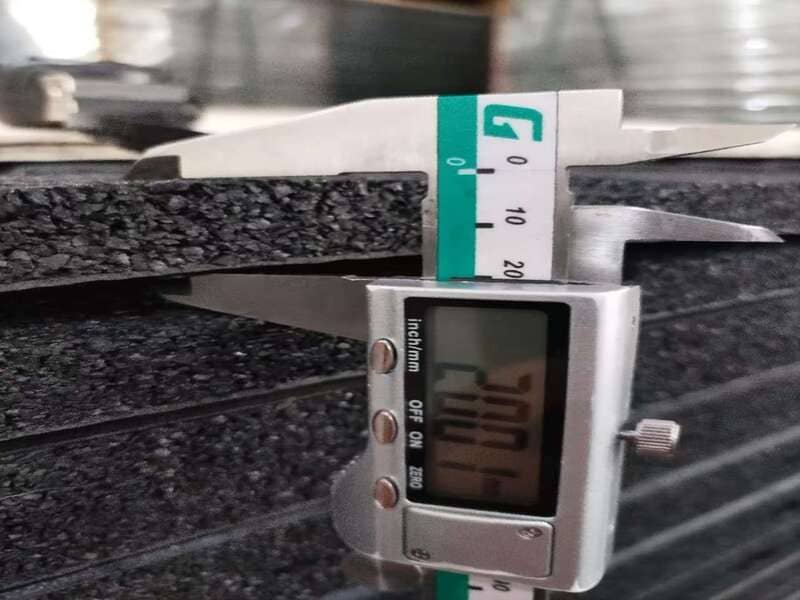
لا يمكن للأرضيات العادية أن تتحمل الضغط الفيزيائي للقبو، ولكن العلم وراء المطاط يجعل الأمر مختلفاً تماماً.
لماذا المطاط "صديق للبيئة السفلية" بشكل طبيعي؟
المطاط هو مادة غير عضوية، مما يعني أنه لا يحتوي على مصدر غذائي لنمو العفن أو العفن الفطري. كما أن المطاط المفلكن على وجه التحديد غير ماص ويعمل كحاجز مادي للماء، في حين أن طبيعة الطبقات الرخوة للعديد من البلاط المطاطي تسمح بتبخير الأرضية السفلية مما يمنع احتباس الرطوبة.
من من منظور علم المواد، المطاط عبارة عن بوليمر لا يهتم بالماء. تتم معالجة المطاط المفلكن بالحرارة والضغط لجعله غير مسامي تماماً. هذه ميزة كبيرة على المطاط "الفتات" الذي يحتوي على فجوات صغيرة. إذا كان لديك قبو ذو رطوبة عالية، فأنت تريد سطحاً لا يسمح للماء بالغرق في منتصف الحصيرة.
الأداء الفني للمطاط في الرطوبة العالية
| الميزة | المزايا التقنية | ما أهمية ذلك |
|---|---|---|
| قاعدة غير عضوية | صفر من المغذيات العضوية | لا يمكن للعفن أن يأكل الأرض. |
| الفلكنة | ترابط عالي الكثافة | يبقى الماء على السطح لسهولة التنظيف. |
| الكتلة الحرارية | خصائص العزل | يحافظ على دفء سطح الأرضية أكثر من البلاطة. |
في حالات فيضان الطابق السفلي، تكون ميزة المطاط واضحة. يمكن ببساطة سحب البلاط المطاطي المتشابك المثبت بدون غراء وتجفيف الخرسانة واستبدال البلاط نفسه. لا يمكنك فعل ذلك مع أي أرضيات أخرى. فهو يوفر آلاف الدولارات من تكاليف الاستبدال ويمنع حدوث أزمة العفن.
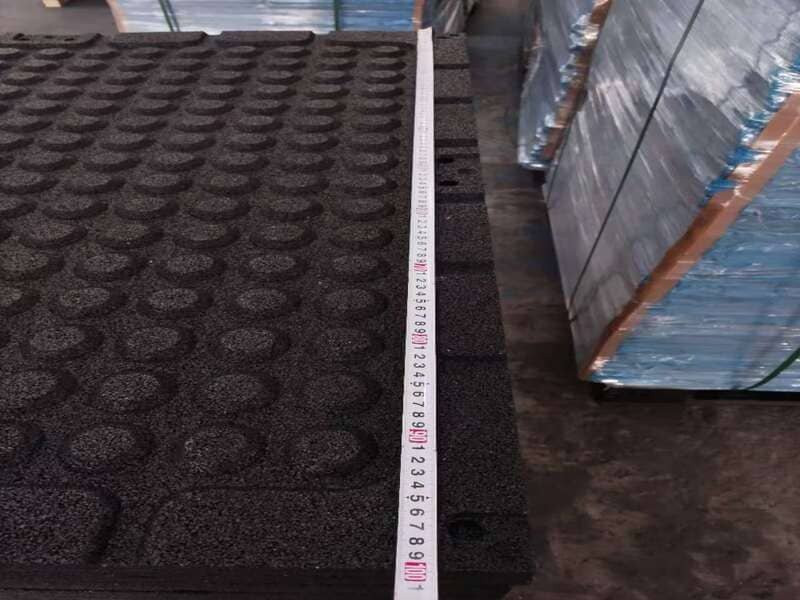
على الرغم من أن المطاط رائع، إلا أنه يجب أن تكون حذراً بشأن النوع الذي تشتريه لأن المطاط ليس كل المطاط متماثل.
ما الفرق بين المطاط المفلكن والمطاط المعاد تدويره؟
المطاط المفلكن غير مسامي تماماً ومُحكم الإغلاق، مما يجعله المعيار الذهبي للمناطق الرطبة. مطاط الفتات المعاد تدويره أكثر ملاءمة للميزانية ولكنه ذو بنية "مفتوحة الخلية" يمكن أن يحبس الرطوبة والروائح إذا لم يتم الحفاظ على جفاف القبو أو إذا لم يكن المطاط عالي الكثافة.
هذه نقطة التباس شائعة. المطاط المعاد تدويره منخفض الجودة يشبه الإسفنج الكثيف جداً. إذا كان لديك مياه راكدة، يمكن أن تتسرب إلى المسام. في الطابق السفلي، يمكن أن يؤدي ذلك إلى رائحة "مطاطية" باقية. الحصائر المفلكنة هي الأفضل للمشاريع التي تكون فيها الرطوبة مصدر قلق رئيسي. فهي أكثر كثافة وأسهل بكثير في التعقيم. ومع ذلك، إذا كانت ميزانيتك محدودة، يمكنك استخدام المطاط عالي الكثافة المعاد تدويره طالما أنك تستخدم مزيل الرطوبة.
مقارنة أنواع المطاط للاستخدام في الطابق السفلي
| الممتلكات | مطاط مبركن | معاد تدويره عالي الكثافة |
|---|---|---|
| مقاومة الماء | 100% مقاوم للماء | مقاوم للماء (مسامي) |
| مستوى الرائحة | منخفضة | متوسط إلى مرتفع |
| المتانة | متطرف | عالية |
| نقطة السعر | بريميوم | اقتصادية |
مشكلة "الرائحة" هي مشكلة كبيرة. يستخدم المطاط المعاد تدويره مادة رابطة من البولي يوريثين لتثبيت الفتات معاً. في الطابق السفلي الرطب، يمكن أن يطلق هذا الرابط في بعض الأحيان رائحة أقوى. أما المطاط المبركن فرائحته أقل بكثير لأن الرابطة الكبريتية أكثر ثباتاً. إذا كان الطابق السفلي لديك سيء التهوية، فإن إنفاق الأموال الإضافية على المواد المفلكنة هو خيار يؤتي ثماره مع مرور الوقت.
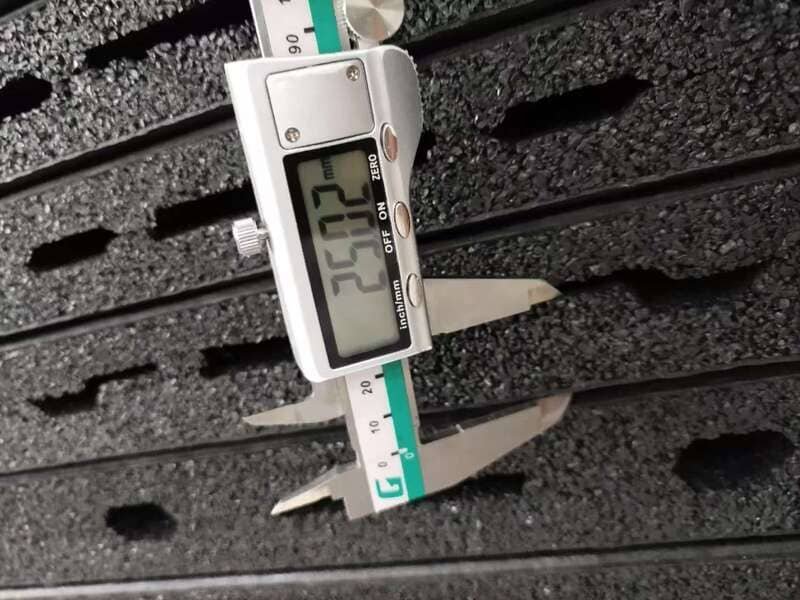
إن اختيار المادة المناسبة هو الخطوة الأولى، ولكن الخطوة الثانية هي إدارة الهواء والماء الذي يعيش تحت الأرضية.
كيف تتعامل مع الرطوبة تحت المطاط؟
لمنع احتباس الماء تحت المطاط، يجب استخدام طبقة سفلية بلاستيكية مدمجة لخلق فجوة هوائية للتبخر. إذا كانت الرطوبة عبارة عن بخار بحت، يمكن أن يعمل حاجز بخار بولي بولي طوله 6 مل، ولكن بالنسبة للأرضيات ذات الضغط الهيدروستاتيكي العالي، فإن غشاء فجوة الهواء هو الخيار الأكثر أمانًا.
الخطر الأكبر هو الماء "المحبوس". إذا دخلت المياه بين المطاط والخرسانة ولم يكن لها مكان تذهب إليه، فيمكن أن ينمو العفن على الغبار أو الأوساخ الموجودة على الخرسانة. يعد استخدام منتجات مثل DMX أو Delta-FL خطوة ذكية. وهي عبارة عن صفائح بلاستيكية ذات "غمازات" صغيرة ترفع الأرضية المطاطية حوالي 1/4 بوصة عن البلاطة. تسمح هذه الفجوة للهواء بالتحرك والرطوبة بالجفاف بشكل طبيعي. إنها تكلفة إضافية صغيرة توفر 100% راحة البال لمنزلك.
حلول الطبقة السفلية الموصى بها
| الحل | أفضل تطبيق | المزايا |
|---|---|---|
| غشاء غائر | الطوابق السفلية ذات الرطوبة العالية | يخلق فجوة هوائية مادية للتجفيف. |
| غشاء بولي 6 ميل | مشاكل في البخار الطفيف | كتلة رطوبة بسيطة ورخيصة. |
| لا توجد طبقة سفلية | خرسانة جافة ومغلقة بإحكام | أقصى قدر من الثبات للرفع الثقيل. |
تخطى الغراء. إذا قمت بلصق المطاط على أرضية قبو رطبة، فإن الرطوبة ستدفع الغراء في النهاية إلى الأعلى وتنتج فقاعات. إن استخدام طريقة "الوضع الفضفاض" مع الحصائر الثقيلة أو البلاط المتشابك أفضل بكثير. إذا حدث تسرب كبير في أي وقت، يمكنك فقط التقاط الحصائر وإصلاح المشكلة. هذه المرونة هي أفضل بوليصة تأمين يمكنك الحصول عليها للقبو الخاص بك.
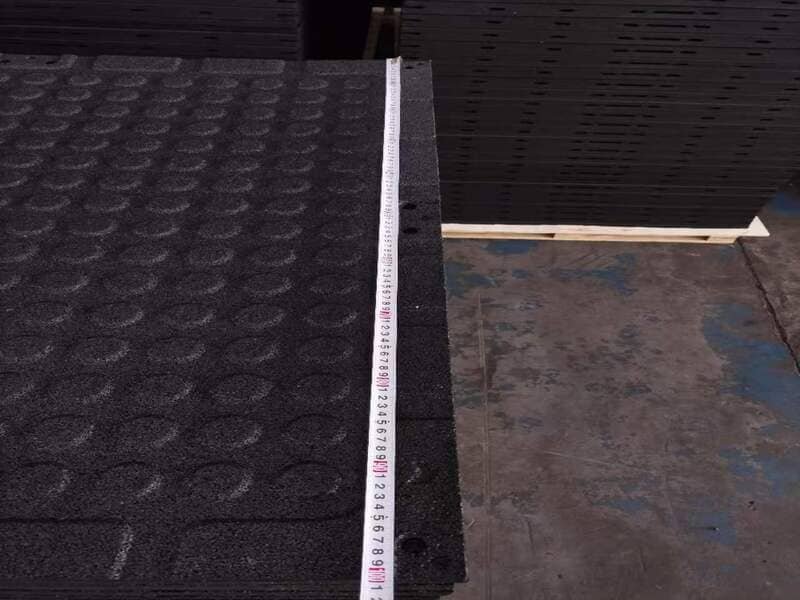
بمجرد أن يكون لديك مخطط الرطوبة جاهزاً، يمكنك اختيار أفضل تنسيق لتخطيط الطابق السفلي الخاص بك.
ما هو الشكل المطاطي الأفضل للطابق السفلي الخاص بي؟
البلاط المتشابك هو الأفضل لمشاريع الطابق السفلي التي تقوم بها بنفسك لسهولة التعامل معه والسماح "بإصلاحات موضعية" في حالة حدوث تسرب. توفر اللفائف المطاطية مظهرًا سلسًا للصالات الرياضية المنزلية الكبيرة ولكن يصعب تركيبها في المساحات الضيقة، في حين أن الحصائر المطاطية السميكة مثالية للمناطق الصغيرة ذات الاستخدامات الشاقة.
عادة ما يكون البلاط المتشابك هو الأنسب لأصحاب الطوابق السفلية. غالباً ما تحتوي الأقبية على أعمدة وسخانات مياه وزوايا غريبة. من الصعب قطع لفة مطاطية ثقيلة تزن 100 رطل في قبو صغير. من الأسهل بكثير تقليم البلاط بسكين بسيط. بالإضافة إلى ذلك، إذا تعرض قسم واحد للتلف أو كنت بحاجة إلى فحص البلاطة بحثاً عن وجود تشقق، فما عليك سوى تحريك بعض البلاط بدلاً من الأرضية بأكملها.
لمحة سريعة عن تنسيقات الأرضيات المطاطية
| التنسيق | سهولة التثبيت | إدارة الرطوبة | المظهر الاحترافي |
|---|---|---|---|
| البلاط المتشابك | سهل جداً | ممتاز (نموذجي) | جيد |
| لفائف المطاط | صعب | معتدل (ثقيل) | ممتاز |
| حصائر كبيرة | سهولة | جيد (ثقيل) | المرافق |
تعتبر اللفائف رائعة في الصالات الرياضية التجارية، ولكن بالنسبة للقبو المنزلي، فإن الوزن يمثل مشكلة حقيقية. يمكن أن يزيد وزن اللفة التي يبلغ طولها 4 أقدام في 50 قدمًا عن 200 رطل. إن إنزال ذلك على درج قبو ضيق أمر خطير. يأتي البلاط في صناديق يمكنك حملها بسهولة. كما أن الدرزات في البلاط المتشابك ضيقة بما يكفي لتبدو جيدة ولكنها فضفاضة بما يكفي للسماح للأرضية "بالتنفس" أكثر قليلاً من لوح مطاطي صلب.
حتى أفضل المواد ستفشل إذا لم تتبع الخطوات الصحيحة خلال يوم التركيب.
ما هي أفضل ممارسات التركيب للطوابق السفلية الرطبة؟
تجنّب المواد اللاصقة الدائمة واستخدم بدلاً من ذلك شريطاً لاصقاً على الوجهين للسماح بإزالته في المستقبل. يجب أن تتأقلم مع المطاط في الطابق السفلي لمدة 48 ساعة على الأقل لمنع الانكماش أو التمدد بعد التركيب، وتأكد دائمًا من أن البلاطة الخرسانية تتوافق مع متطلبات مستوى الرطوبة قبل التركيب ونظيفة ومستوية قدر الإمكان قبل البدء.
من الخطأ التسرع في تركيب الأرضية الجديدة ساعة وصولها. المطاط حساس لدرجة الحرارة. إذا قمت بإحضاره من شاحنة ساخنة إلى قبو بارد ورطب، فسوف يتغير حجمه. امنحه يومين ليتكيف مع الغرفة. عندما يتعلق الأمر بلصقه، قم بلصق الحواف أو اللحامات فقط. إذا كنت تستخدم الغراء، فأنت تقوم بالتزام دائم بالأرضية التي قد تحتاج إلى رفعها إذا حدث تسرب لسخان المياه.
قائمة التحقق من التركيب الاحترافي
| الخطوة | الإجراء | لماذا؟ |
|---|---|---|
| 1. نظيفة | نظف الخرسانة بالمكنسة الكهربائية مرتين. | يزيل مصادر الغذاء للعفن. |
| 2. التأقلم | يُترك المطاط لمدة 48 ساعة. | يمنع حدوث ثغرات في اللحامات. |
| 3. التصميم | ابدأ من المنتصف وتحرك للخارج. | يضمن مظهراً متوازناً. |
| 4. مؤمّنة | استخدم شريط السجاد عالي الجودة. | يمنع انزلاق البلاط من الانزلاق. |
نصيحة أخرى: تحقق من المحيط. اترك فجوة صغيرة (حوالي 1/8 بوصة) بين المطاط والجدار. يمكنك تغطية هذه الفجوة بلوح أساسي لاحقًا. هذه الفجوة تسمح للأرضية بالتمدد قليلاً وتساعد في تدفق الهواء. إذا قمت بسد المطاط بإحكام على كل جدار، فقد "يتموج أو ينبثق في المنتصف عندما تتغير الرطوبة.
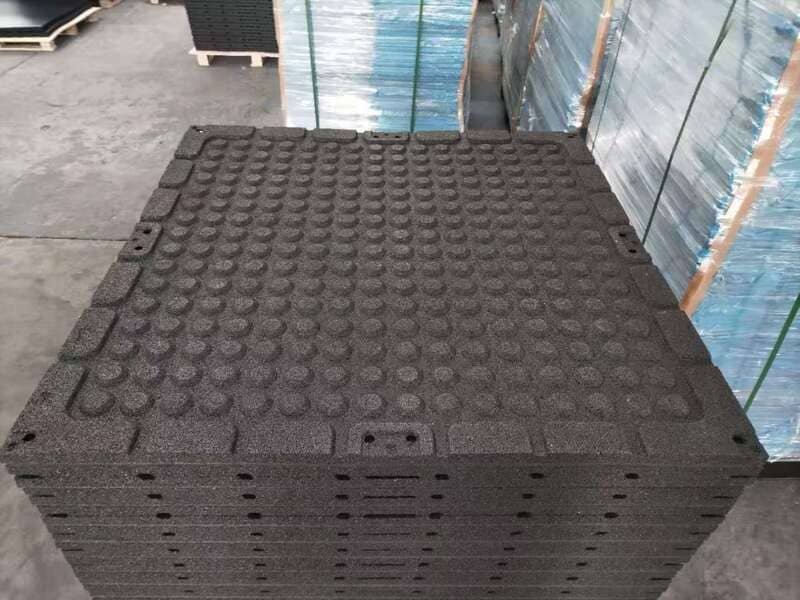
بعد إنزال الأرضية، يجب عليك الحفاظ على نظافتها والحفاظ على الهواء متحركاً للحفاظ على انتعاش الغرفة.
كيف يمكنني منع العفن والحفاظ على الأرضية المطاطية الخاصة بي؟
حافظ على الأرضية باستخدام منظفات محايدة الأس الهيدروجيني وتجنب المبيضات أو المنتجات ذات الأساس الزيتي التي يمكن أن تؤدي إلى تدهور المطاط. حتى مع الأرضيات المقاومة للماء، يجب عليك استخدام مزيل الرطوبة للحفاظ على رطوبة الهواء أقل من 50% لمنع نمو العفن على غبار السطح أو الحوائط الجافة القريبة.
لن يتعفن المطاط، ولكن الغبار على المطاط يمكن أن يتعفن. إذا لم تقم بتنظيف الأرضية، سوف تتراكم خلايا الجلد والأوساخ. في الطابق السفلي الرطب، سينمو العفن على تلك الأوساخ. استخدم ممسحة من الألياف الدقيقة ومنظف أرضيات مطاطي مخصص للأرضيات المطاطية. تجنب أي شيء يحتوي على زيوت "الليمون" أو "الصنوبر" لأنها تجعل الأرضية زلقة ويمكن أن تتآكل في النهاية في المادة الرابطة في المطاط.
بروتوكول ما بعد الفيضانات للأرضيات المطاطية
- قم بإزالة البلاط المصاب: إذا وصل الماء تحتها، التقطها.
- اغسل كلا الجانبين: استخدم صابوناً خفيفاً لقتل أي بكتيريا من مياه الفيضان.
- جفف البلاطة: استخدم المراوح وجهاز إزالة الرطوبة حتى تجف الخرسانة.
- إعادة التثبيت: بمجرد أن يصبح كل شيء نظيفاً وجافاً، ما عليك سوى إعادة البلاط إلى مكانه.
مزيل الرطوبة ضروري في الطابق السفلي. الأرضيات المطاطية رائعة، لكن لا يمكنها حل مشكلة "الهواء الرطب". الحفاظ على الهواء جافاً يحمي معداتك وجدرانك وصحتك. إذا اتبعت هذه الخطوات البسيطة، ستدوم أرضيتك المطاطية بسهولة لمدة 15 أو 20 عاماً. إنه الاستثمار الأكثر ديمومة الذي يمكنك القيام به لمساحة الطابق السفلي.
تقوم هذه الأرضية بما هو أكثر من مجرد التعامل مع الماء؛ فهي تغيّر تماماً من شعور الغرفة وأصواتها.
ما هي الفوائد الإضافية للمطاط في الطابق السفلي؟
يوفر المطاط عازلاً حرارياً ممتازاً، مما يجعل الألواح الخرسانية الباردة تبدو أكثر دفئاً تحت الأقدام. كما أنه يعمل أيضاً كمخمد للصوت لتقليل صدى الصوت الشائع في الطوابق السفلية ويوفر دعماً مضاداً للتعب لغرف اللعب أو الصالات الرياضية المنزلية أو ورش العمل التي قد تقف فيها لفترات طويلة.
أول ما يلاحظه أصحاب المنازل ليس مقاومة الماء - بل الدفء. الخرسانة عبارة عن بالوعة حرارية تمتص الدفء من قدميك. الأرضية المطاطية 8 مم أو 10 مم تخلق فاصل حراري. يجعل القبو يبدو وكأنه غرفة حقيقية بدلاً من قبو بارد. وأيضاً، إذا كان لديك أطفال يركضون في الجوار أو كنت تقوم بإسقاط الأثقال في صالة الألعاب الرياضية، فإن خفض الصوت يكون هائلاً. فهو يمنع الضوضاء من الانتقال إلى بقية المنزل.
القيمة الإضافية للأرضيات المطاطية
| المزايا | التأثير | مثالي لـ |
|---|---|---|
| الدفء | شعور +5 إلى 10 درجات | غرف اللعب/غرف النوم |
| الصوت | يقلل من "الصدى" والتأثير | الصالات الرياضية/غرف الوسائط |
| السلامة | مقاومة عالية للانزلاق | غرف الغسيل/ورش العمل |
بالنسبة للهواة الذين يقضون ساعات طويلة واقفين على طاولة العمل، يُحدث المطاط فرقاً كبيراً. فالوقوف على الخرسانة الصلبة يسبب آلام الظهر والركبة. يسمح تركيب الحصائر المطاطية المخصصة بالعمل طوال اليوم دون تعب. هذه هي القيمة الخفية للمطاط. فهو يحول المساحة الصناعية القاسية إلى جزء مريح من منزلك.
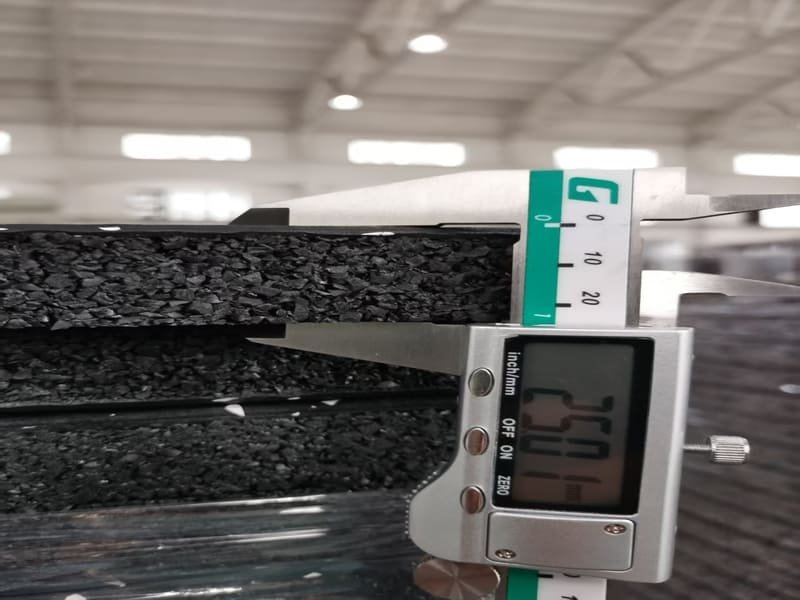
هذه المادة هي الحل الأمثل لأي شخص يتعامل مع تحديات بيئة الطابق السفلي.
الخاتمة
المطاط هو الخيار الأكثر أماناً ومرونة في الطوابق السفلية ذات الرطوبة العالية، شريطة أن تسمح بتدفق الهواء بشكل مناسب.
هل تبحث عن تصميم حل أرضيات مخصص للطابق السفلي أو صالة الألعاب الرياضية الخاصة بك؟
لمزيد من المشورة الفنية حول اختيار المواد وإدارة الرطوبة لظروف موقعك المحددة، أو لمزيد من الاستفسارات المتعلقة بشراء المواد بالجملة والمواصفات الفنية، يرجى أرسل لي رسالة خاصة لمناقشة احتياجات مشروعك.