


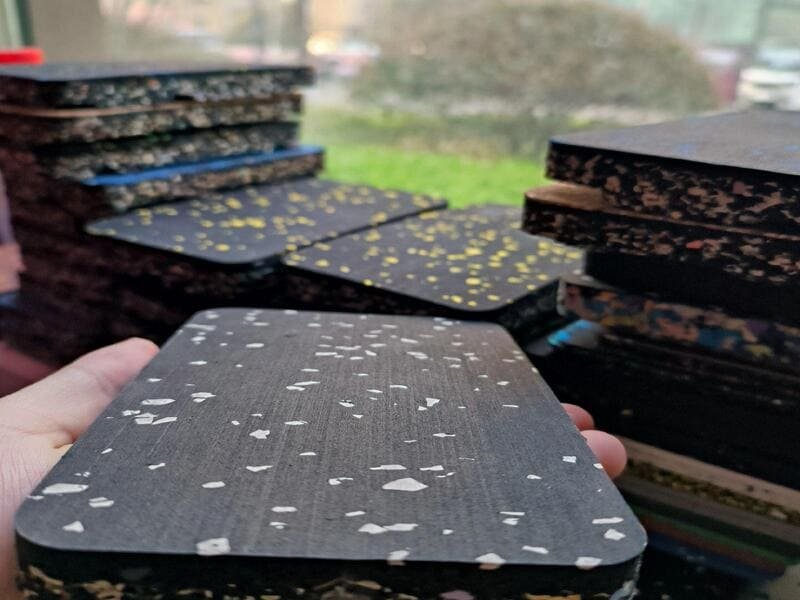
The best rubber flooring for basement home gyms is 8mm interlocking vulcanized rubber tiles. This material provides the best balance of moisture resistance, impact protection, and ease of installation for concrete subfloors. It prevents mold growth while protecting the foundation from heavy weight drops.
Concrete is the most common foundation for a basement but it is the worst surface for your joints. As a research and development engineer, I have tested how different materials react to the hard, cold, and often damp environment of a concrete slab. Rubber acts as a high-density buffer that absorbs energy that concrete would otherwise send back into your knees. It also solves the "Basement Paradox" where the floor needs to be heavy enough to stay in place but light enough to carry down narrow stairs. We focus on rubber because it does not compress permanently like foam and does not crack like epoxy when the house settles.
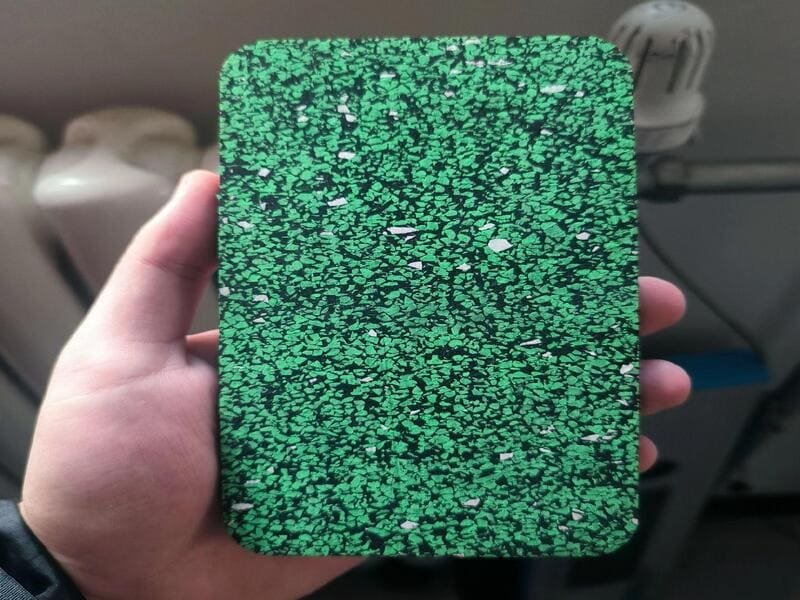
Choosing the right material involves more than just picking a color. You must think about the physics of the basement environment.
Why Does Your Basement Need Specific Flooring?
Basements require specific flooring because they face moisture migration through concrete and lack natural airflow. Rubber is the top choice because it is non-porous and high-density, meaning it will not trap water like carpet or crumble under heavy loads like foam mats.
When we develop products for basements, we look at four main pain points. First is moisture. Concrete "breathes" water vapor. If you use a material like carpet or cheap foam, that vapor turns into mold. Vulcanized rubber stops this because it has a high Shore A hardness rating and low permeability. Second is temperature. Concrete is a thermal sink. Rubber has excellent insulation properties to keep your feet warm. Third is sound. Basements are concrete boxes that echo. High-density rubber dampens the vibration of a treadmill or a falling dumbbell. Fourth is the subfloor itself. A 100lb dumbbell can crack a concrete slab without a proper rubber buffer to distribute the force.
| التحدي | Impact on Concrete | Rubber Benefit |
|---|---|---|
| الرطوبة | Mold and Mildew | Non-porous Surface |
| بارد | High Heat Loss | العزل الحراري |
| Noise | Sound Echo | تثبيط الاهتزازات |
| التأثير | Surface Cracks | Force Distribution |
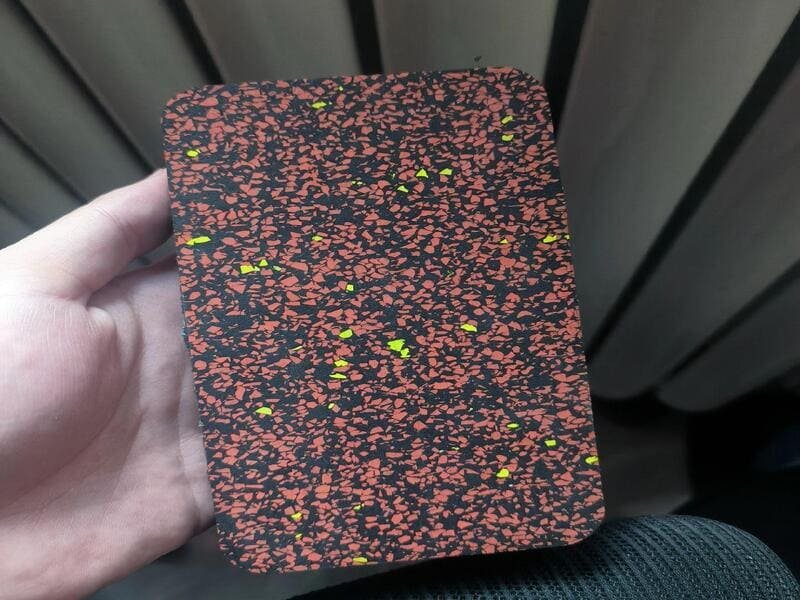
I have seen many DIY gym owners ruin their foundations by using thin mats. You need to understand the mechanical limits of your flooring.
What Are the Top 3 Rubber Flooring Types for Basements?
The three best types are interlocking tiles for DIY ease, rubber rolls for large areas, and heavy-duty mats for powerlifting. Each type serves a specific mechanical purpose based on how you plan to use the space and the size of your basement layout.
I prefer interlocking tiles for home basements because they are easy to carry down stairs. Most basement entries are narrow. A 200lb roll of rubber is almost impossible for one person to move. Tiles also allow the floor to "breathe" through the seams which helps with minor moisture. Rubber rolls give a professional, seamless look and are cheaper per square foot for large rooms. However, they require more skill to install. Heavy-duty mats, usually 3/4 inch thick, are what I suggest for a dedicated deadlift area. These are the most durable products we manufacture.
| نوع الأرضيات | أفضل حالة استخدام | الميزة الرئيسية |
|---|---|---|
| البلاط المتشابك | DIY Home Gyms | Easy Transport/Install |
| لفائف المطاط | Large Pro Spaces | تشطيب سلس |
| Heavy-Duty Mats | رفع الأثقال | الحماية القصوى من الصدمات |
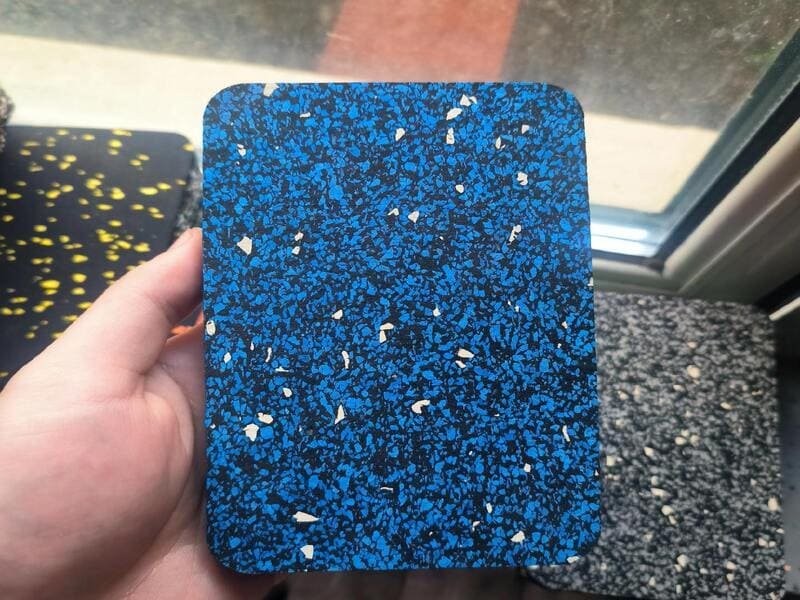
The type you choose depends on your workout style. A yoga enthusiast has different needs than a competitive powerlifter.
How Do You Select the Right Technical Specifications?
Select your flooring based on thickness, vulcanization, and Shore A hardness. For most home gyms, 8mm (1/3") is the standard for safety and durability. If you perform heavy Olympic lifts, you must increase the thickness to at least 10mm or 15mm to protect the subfloor.
As an engineer, I always check the vulcanization process. Vulcanized rubber is heated and pressurized to create a closed-cell structure. This is vital for basements because it ensures the rubber is non-porous. It will not soak up sweat or spilled water. Non-vulcanized rubber can act like a sponge and start to smell over time. We also measure density using the Shore A scale. For gym flooring, you want a rating between 60 and 70. This provides enough "give" for comfort but enough "hardness" so your feet do not sink during a heavy squat.
| المواصفات | القيمة الموصى بها | الغرض الهندسي |
|---|---|---|
| Thickness (General) | 8 مم | Standard Protection |
| السُمك (الرفع) | 12 مم - 15 مم | Subfloor Shielding |
| نوع المادة | مبركن | مقاومة الرطوبة |
| الصلابة | 65 شور أ | Stability & Support |
Do not ignore these numbers. Choosing the wrong thickness can lead to permanent damage to your home foundation.
What Is the Best Verdict for Different Basement Needs?
The best overall choice is 8mm interlocking tiles for its balance of cost and performance. For heavy lifters, 1/2 inch vulcanized mats are better. Budget users should look at 1/4 inch rolls, while those in small basements need low-VOC rubber to prevent strong odors.
In my experience, the "best" depends on your constraints. If your basement has poor airflow, the chemical smell of cheap recycled rubber will become a big problem. This is why I recommend low-VOC (Volatile Organic Compounds) products for confined spaces. If you are on a tight budget, thin rolls work for cardio, but they will not protect the floor from dropped weights. I always tell my clients to invest in vulcanized mats for lifting areas. It is cheaper to buy good rubber once than to repair a cracked concrete floor later.
| الفئة | التوصية | لماذا؟ |
|---|---|---|
| Best Overall | 8mm Interlocking | Easy and Versatile |
| الرفع الثقيل | 15mm Vulcanized | Maximum Buffer |
| Best Value | 6mm Rolls | Lower Cost/Sq Ft |
| Low Airflow | Low-VOC Rubber | Odor Control |
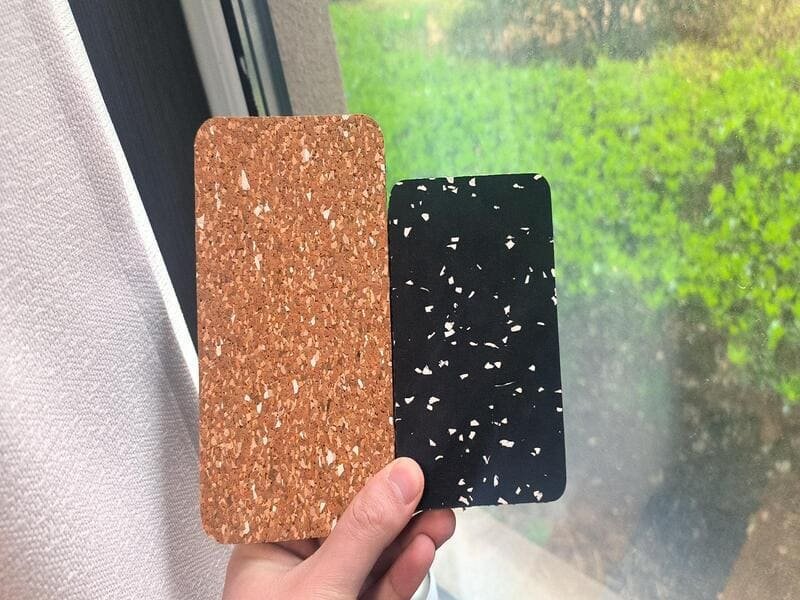
Make sure you measure your room twice before ordering. Small gaps at the edges can cause the floor to shift during high-intensity workouts.
What Are the Installation Secrets for Basements?
The secret to a long-lasting basement gym is acclimatization and avoiding permanent adhesives. You must let the rubber sit in the basement for 48 hours to match the room temperature. Use double-sided tape instead of glue to allow for easy removal if a flood occurs.
I often see people glue rubber directly to basement concrete. This is a mistake. Basements are prone to water leaks or high humidity. If you glue the floor down, you cannot lift it to dry the subfloor. Loose-lay or tape is much better. Also, the vapor barrier debate is simple: if your basement is very damp, use a thin plastic underlayment first. This prevents moisture from being trapped against the rubber. Finally, always start from the center of the room and work out to the walls to ensure the pattern stays straight.
| خطوة التثبيت | الإجراء | المزايا |
|---|---|---|
| التأقلم | Wait 48 Hours | Prevents Gaps/Buckling |
| مادة لاصقة | Tape or Loose-Lay | Easy Removal/Cleaning |
| التصميم | Start in Center | Symmetrical Finish |
| الطبقة السفلية | Plastic Film | Vapor Protection |
If you skip the 48-hour wait, the rubber will expand or shrink after you cut it. This leaves ugly gaps near your walls.
How Do You Ensure Maintenance and Longevity?
Maintain your rubber floor by using pH-neutral cleaners and performing regular moisture checks. Avoid petroleum-based cleaners like Pine-Sol because they will eat through the rubber binders and make the floor sticky or brittle.
Cleaning is easy if you use the right tools. A simple mix of water and a few drops of dish soap or a dedicated rubber floor cleaner is best. I tell my customers to avoid vacuuming with a beater bar because it can scuff the surface. For basements, the most important task is the "corner check." Every few months, lift a corner tile to see if there is dampness underneath. If you find water, use a dehumidifier to dry the air. To get rid of the "new rubber" smell, just mop the floor and keep a fan running for a few days.
| مهمة الصيانة | التردد | Tool/Product |
|---|---|---|
| Dusting | أسبوعياً | ممسحة من الألياف الدقيقة |
| Deep Clean | شهرياً | صابون محايد الأس الهيدروجيني |
| فحص الرطوبة | ربع سنوي | الفحص البصري |
| Odor Control | Initial Week | Ventilation/Fan |
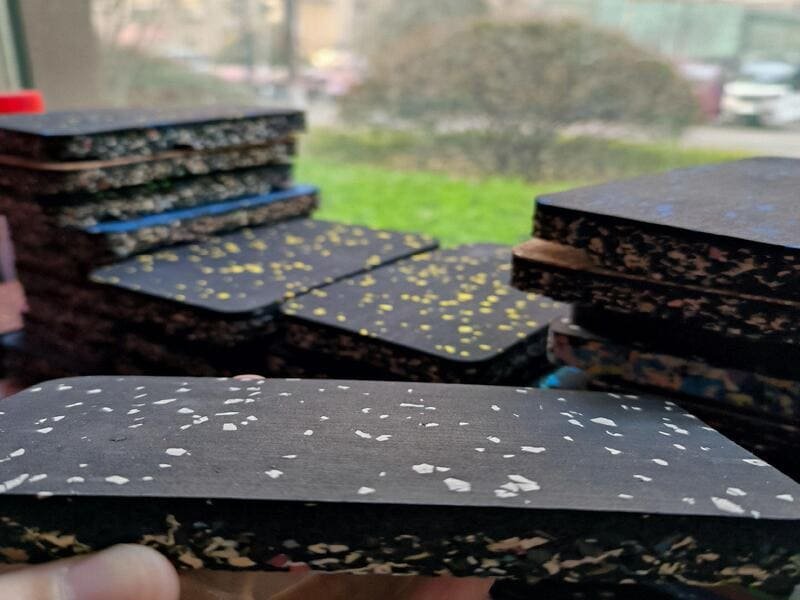
Good maintenance can make a high-quality rubber floor last for over 15 years. It is a long-term investment for your home.
الخاتمة
The best basement gym flooring is 8mm vulcanized rubber. It protects concrete, stops mold, and lasts for years.
Need help choosing the right thickness for your specific basement project?
As an R&D engineer, I can help you calculate the exact density and material you need for your gym.
Direct message me today for a professional consultation and a customized quote!