


تعتمد "أفضل" الأرضيات الرياضية المطاطية "الأفضل" كلياً على نشاطك المحدد، ولكن بشكل عام، يجب عليك الاختيار بين اللفائف (للاستخدام التجاري) أو البلاط (للاستخدام المنزلي) أو الحصير (للرفع الثقيل). وللقيام بالاختيار الهندسي الصحيح، تحتاج إلى الموازنة بين شكل المادة والسماكة (الكثافة) وتركيبة المطاط.
المنظور الهندسي للجودة
خلال السنوات التي قضيتها في تصميم سير عمل الإنتاج للأرضيات الرياضية، تعلمت أن "الجودة" لا تتعلق فقط بمظهر الأرضية في اليوم الأول. بل يتعلق الأمر بكيفية استجابة المادة للفيزياء بمرور الوقت. عندما نقوم بهندسة الأرضيات المطاطية، فإننا نقوم بشكل أساسي بإنشاء نظام تعليق لجسمك ومعداتك. قد تكون عملية اتخاذ القرار مربكة لأن السوق مليء بالخيارات. ومع ذلك، من وجهة نظر هندسية، نقوم بتصنيف هذه الحلول إلى ثلاثة أشكال متميزة. كل شكل له ملامح كثافة محددة وتفاوتات تركيب محددة. يعتمد الاختيار "المثالي" كليًا على تطبيقك المحدد. يتطلب رافع الأثقال الثقيل الذي يُسقط 200 كجم صلابة شاطئية وقوة شد مختلفة تمامًا عن استوديو يوغا أو ممر صالة ألعاب رياضية تجارية. سأقوم في هذا الدليل بتفصيل هذه الخيارات. سأتجاوز الزغب التسويقي لشرح الاختلافات الميكانيكية بين اللفائف والبلاط والحصائر، وكيف تحدد الكثافة والسماكة الأداء.
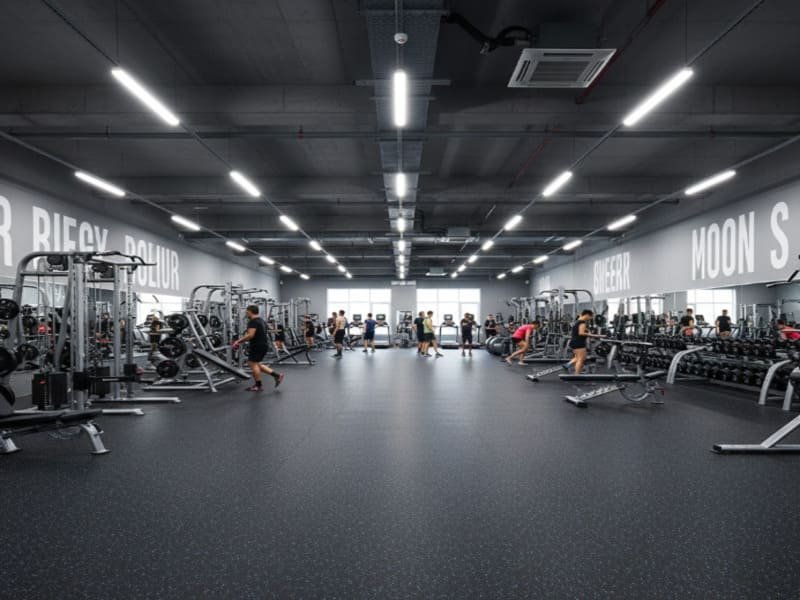
والآن بعد أن أثبتنا أن التطبيق هو الذي يحدد الاختيار، دعنا نحلل التنسيقات الثلاثة الأساسية المتاحة في هذا المجال.
ما هو شكل الأرضيات المطاطية الأفضل: اللفائف أم البلاط أم الحصير؟
تُعد اللفائف المطاطية الخيار الأفضل للمساحات التجارية الكبيرة نظراً لسلاسة تشطيبها وفعاليتها من حيث التكلفة. البلاط المتشابك مثالي لصالات الألعاب الرياضية المنزلية التي تصنعها بنفسك نظراً لسهولة تركيبه، بينما تُستخدم الحصائر المستقلة خصيصاً لمناطق الرفع الثقيلة التي تتطلب أقصى قدر من العزل عن الصدمات.
اختلافات الإنتاج في التنسيقات
عندما نقوم بتصنيع هذه الأشكال، فإن المادة الخام - وهي عادةً SBR (مطاط الستايرين-بوتادين) المعاد تدويره (مطاط الستايرين-بوتادين) الممزوج بحبيبات EPDM (إيثيلين بروبيلين ديين مونومر) - هي نفسها إلى حد كبير، وهي تركيبة مفصلة أكثر في تحليل شامل لأرضيات EPDM. ولكن، تختلف عمليات المعالجة والقطع. وهذا يؤثر على المنفعة النهائية للمنتج.
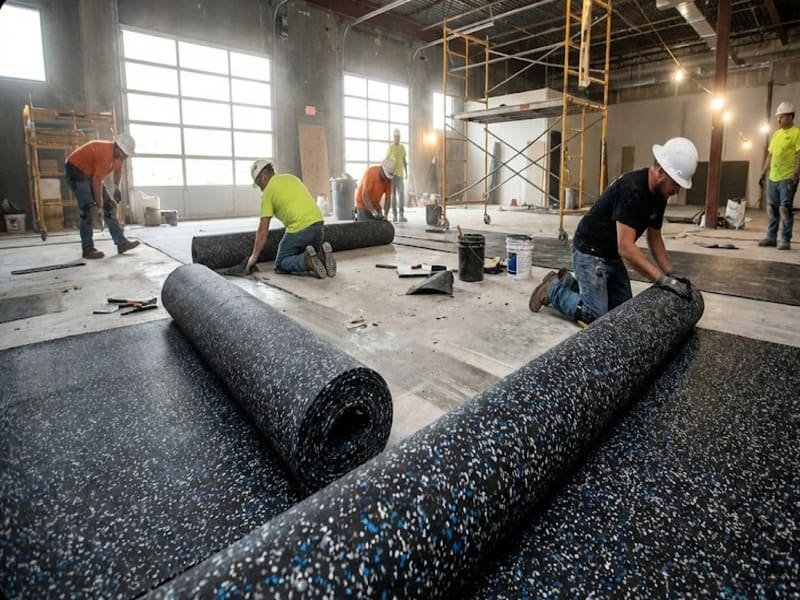
يتم إنتاج اللفائف المطاطية على شكل أسطوانات طويلة ومتصلة ثم يتم تقشيرها بعد ذلك، مثل تقشير قشرة تفاحة سميكة للغاية. يقلل هذا الشكل من اللحامات. من من منظور الصيانة، يعني تقليل اللحامات تقليل أماكن تسرب العرق والطباشير ومياه التنظيف إلى الأرضية السفلية. وهذا أمر بالغ الأهمية للنظافة في المنشآت التجارية الكبيرة. ولكن، الوزن الهائل للفة (غالباً ما يتجاوز 100 رطل) يجعل من الصعب جداً على شخص واحد تركيبها بدون أدوات.
من ناحية أخرى، يتم ختم البلاط المتشابك من صفائح باستخدام عملية قطع بالقالب الدقيق. ويتمثل التحدي الهندسي هنا في مدى تحمل المتشابكات. حيث يتم قفل البلاط عالي الجودة بإحكام لمنع الانفصال تحت الحمل الجانبي، كما هو الحال أثناء دفع الزلاجات. إنها أرضيات "عائمة". وهذا يعني أنها لا تحتاج إلى غراء. وهذا يجعلها مثالية للجراجات السكنية حيث لا يكون الالتصاق الدائم خياراً متاحاً.
غالباً ما تكون الحصائر مفلكنة (معالجة بالحرارة) في كتلة صلبة واحدة بدلاً من ربطها بمادة يوريتان. وهذا يجعلها كثيفة ومتينة بشكل لا يصدق. وهي قادرة على امتصاص الطاقة الحركية الهائلة دون ارتداد الوزن بشكل خطير.
| الميزة | لفائف المطاط | البلاط المتشابك | سجاد مستقل بذاته |
|---|---|---|---|
| أفضل تطبيق | صالات رياضية تجارية (أكثر من 500 قدم مربع) | صالات رياضية منزلية/مرآب رياضي | منصات الرفعة المميتة |
| التركيب | صعب (احترافي) | سهولة (اصنعها بنفسك) | صفر (المكان واللعب) |
| رؤية التماس | منخفض (مظهر سلس) | عالية (مفاصل مرئية) | غير متاح |
| كفاءة التكلفة | مرتفع (الأرخص (الأرخص للقدم المربع) | معتدل | منخفضة (باهظة الثمن) |
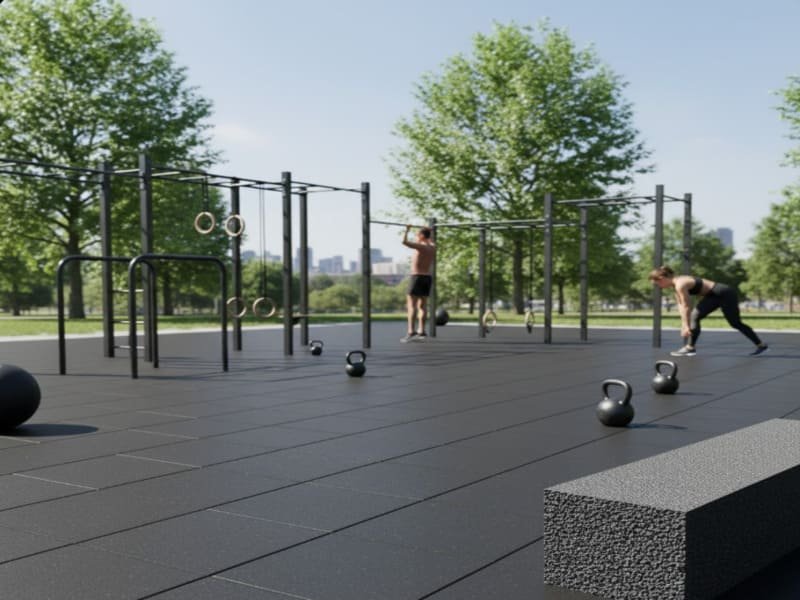
بمجرد تحديد الشكل، فإن المواصفات المهمة التالية هي تحديد السماكة الصحيحة لمنع تلف الأرضية السفلية.
كيف تؤثر السماكة والكثافة على أداء الأرضيات؟
بالنسبة لمعظم صالات اللياقة البدنية العامة والصالات الرياضية التجارية، فإن 8 مم (5/16 بوصة) هي المعيار الصناعي وتوفر حماية كافية. ومع ذلك، إذا كنت تمارس الرفع الأوليمبي أو إسقاط الأوزان باستمرار، فيجب عليك الترقية إلى 12 مم أو حتى 19 مم فأكثر لضمان امتصاص الصدمات بشكل كافٍ.
فيزياء امتصاص الصدمات
السُمك لا يتعلق فقط بالوسادة؛ بل يتعلق بتوزيع الطاقة. في المختبر، نختبر المواد في المختبر بناءً على قدرتها على تشتيت الطاقة (القوة = الكتلة × التسارع). عندما يصطدم الدمبل بالأرض، يجب أن تذهب هذه الطاقة إلى مكان ما. إذا كانت الأرضية رقيقة جدًا (على سبيل المثال، 6 مم)، فإن المطاط ينضغط بالكامل (ينضغط إلى الأسفل). ثم تنتقل الطاقة المتبقية مباشرةً إلى الأرضية السفلية الخرسانية. وهذا يتسبب في تشقق الخرسانة وارتداد الأوزان بشكل غير متوقع.
8 مم (معيار الصناعة): هذه هي النقطة المثالية لمستخدمي 90%. فهي توفر الكثافة الكافية للحماية من سقوط الأثقال حتى 50-60 رطلاً تقريباً. كما أنه يتحمل أيضاً أثر أقدام أجهزة المشي الثقيلة دون حدوث مسافة بادئة دائمة.
19 مم+ (شديد التحمل): للرفع الأولمبي، نحتاج إلى مادة يمكنها امتصاص الصدمات عالية السرعة. وغالباً ما نستخدم هنا مواد رابطة أكثر ليونة أو مطاط مبركن. الهدف هو إطالة زمن تباطؤ الوزن الساقط. وهذا يقلل من ذروة القوة المبذولة على الأرض. الفلكنة مصطلح رئيسي هنا. يتم ربط المطاط غير المفلكن بالغراء. يتم ربط المطاط المفلكن كيميائياً باستخدام الحرارة والكبريت. تكون الحصائر المفلكنة (عادةً ما تكون أكثر سمكاً) غير مسامية وأقوى بلا حدود. وهذا يجعلها الخيار الأمثل لمقاومة العرق وطول العمر.
| السُمك | الاستخدام الشائع | تقييم الأثر |
|---|---|---|
| 6 مم (1/4 بوصة) | يوغا، ممرات، ممرات، وزن الجسم | منخفضة |
| 8 مم (5/16 بوصة) | صالات رياضية تجارية، صالات رياضية منزلية | متوسط (قياسي) |
| 10-12 مم | كروس فت، أوزان معتدلة | عالية |
| 19 مم فأكثر (3/4 بوصة) | الرفع الأولمبي، رفع الأثقال، رفع الأثقال | متطرف |
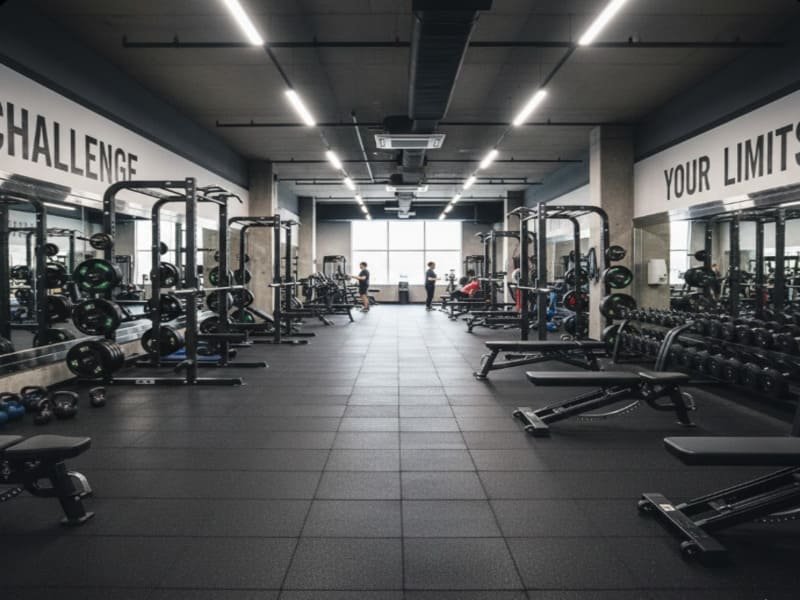
فهم السُمك أمر حيوي. ولكن، تضيف البيئة المحددة - مثل المرآب البارد أو الردهة ذات الازدحام الشديد - طبقة أخرى من التعقيد إلى قرارك.
ما هي مواصفات الأرضيات الأفضل لتطبيقك المحدد؟
بالنسبة لصالات الجراجات، فإن البلاط المتشابك 8 مم هو الأفضل للعزل والتركيب اليدوي. يجب أن تستخدم المنشآت التجارية لفائف فليك EPDM Fleck Rolls من أجل المتانة والجمال. أما المناطق الخارجية فتتطلب نشارة أو أرضيات مطاطية ملتصقة للصرف وثبات الأشعة فوق البنفسجية.
مطابقة المواد مع البيئة
بصفتي مهندساً، أنظر إلى القيود البيئية بقدر ما أنظر إلى الاستخدام.
الصالات الرياضية في المرآب المنزلي: العدو الأكبر هنا هو الرطوبة وتغير درجات الحرارة. الأرضيات الخرسانية "تتعرق". إذا قمت بلصق اللفائف في المرآب، فإنك تحبس الرطوبة. وهذا يؤدي إلى العفن. البلاط المتشابك متفوق هنا لأنه يسمح ببعض التهوية. كما يسهل رفعها وتنظيفها من الأسفل في حالة حدوث انسكاب. كما أن المطاط يعمل كعازل حراري. وهذا يجعل الأرضية الخرسانية الباردة محتملة في الشتاء.
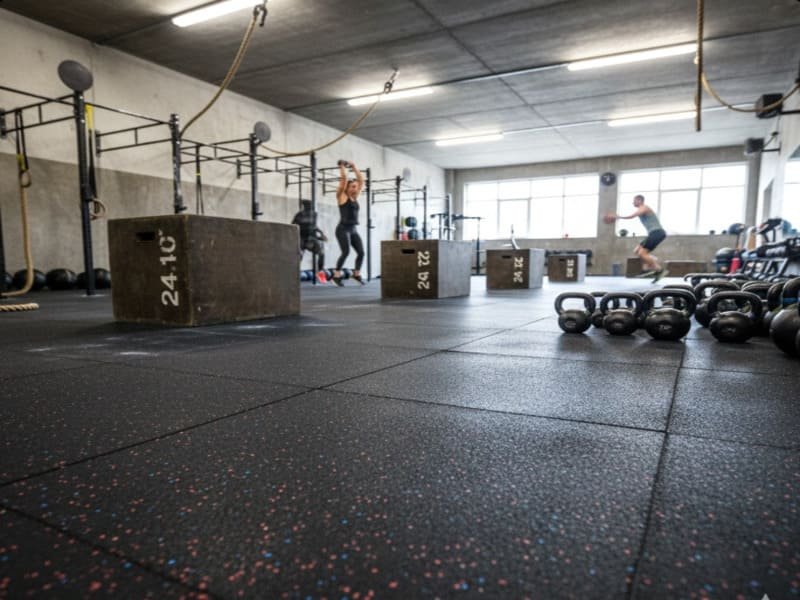
الصالات الرياضية التجارية: الجماليات والنظافة هي القاعدة هنا. تعتبر لفات EPDM Fleck Rolls هي التوصية القياسية. تخدم "البقعة" (الحبيبات الملونة) غرضاً وظيفياً. فهي تخفي الغبار وآثار الأقدام التي تظهر على الفور على المطاط الأسود الصلب. من وجهة نظر الإنتاج، تؤدي إضافة حبيبات ملونة 10-20% إلى زيادة تكلفة المواد قليلاً. ولكنها تقلل بشكل كبير من تكاليف عمالة التنظيف بالنسبة لمالك الصالة الرياضية.
المساحات الخارجية: لا يمكنك استخدام المطاط الداخلي القياسي في الخارج. حيث تعمل الأشعة فوق البنفسجية على تكسير مادة البولي يوريثين الرابطة في المطاط القياسي المعاد تدويره. يؤدي ذلك إلى تفتته (مثل الممحاة القديمة) في غضون عام. بالنسبة للأماكن الخارجية، نستخدم مواد رابطة متميزة مثبتة بالأشعة فوق البنفسجية أو نشارة مطاطية مترابطة. يسمح ذلك بتصريف المياه من خلاله بدلاً من تجمعها فوقه. وهذا يمنع مخاطر الانزلاق.
| السيناريو | المنتج الموصى به | السبب الهندسي الرئيسي |
|---|---|---|
| صالة الألعاب الرياضية في المرآب | بلاط متشابك 8 مم | يتعامل مع رطوبة الخرسانة؛ سهل الاستخدام اليدوي |
| الصالة الرياضية التجارية | لفات EPDM 8 مم | نظافة سلسة؛ تخفي الأوساخ؛ فعالة من حيث التكلفة |
| الرفع الأولمبي | حصائر مبركنة / بلاط مقاس 1 بوصة | أقصى امتصاص للصدمات؛ تقليل الضوضاء |
| في الهواء الطلق | الأرضيات المطاطية/النشارة المطاطية | مقاومة للأشعة فوق البنفسجية؛ تصريف المياه |
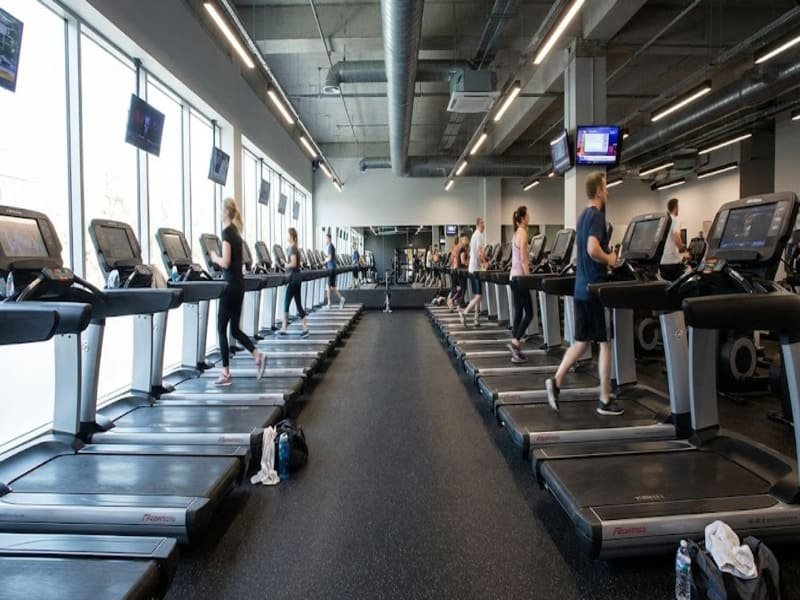
لقد تناولنا الشكل والوظيفة. ولكن يجب أن نتناول أيضاً العامل "الخفي" الذي غالباً ما يؤدي إلى ندم المشتري: الرائحة وجودة الهواء.
هل المطاط البكر أفضل من المطاط المعاد تدويره للصالات الرياضية؟
تنبعث من المطاط المُعاد تدويره (SBR) رائحة "إطارات السيارات الجديدة" بسبب انبعاث غازات الكبريت، والتي عادةً ما تتلاشى على مدار أسابيع. المطاط البكر أو المطاط الصناعي EPDM عديم الرائحة تقريبًا ويوفر ألوانًا أكثر نقاءً، ولكنه يأتي بسعر أعلى بكثير.
علم المواد البكر مقابل علم المواد المعاد تدويرها
مشكلة "الرائحة" هي نتيجة مباشرة للمواد الخام وعوامل الربط المستخدمة في التصنيع.
المطاط المعاد تدويره (SBR): معظم أرضيات الصالة الرياضية مصنوعة من إطارات السيارات المنتهية الصلاحية. وفي حين أن هذا أمر رائع من أجل الاستدامة، إلا أن الإطارات تحتوي على الكبريت والمركبات الأخرى المستخدمة في عملية الفلكنة للإطار نفسه. عندما نطحنها ونعيد ربطها، يتم إطلاق هذه المركبات العضوية المتطايرة (VOCs) - وهذا ما يسمى "الغازات المنبعثة". في صالة رياضية تجارية جيدة التهوية، لا يمثل ذلك مشكلة. ولكن في الطابق السفلي الصغير المغلق، يمكن أن يكون هذا الأمر مزعجاً للغاية.
المطاط البكر / الاصطناعي: هذه المادة لم تكن أبداً إطاراً. فهي مصممة خصيصاً للأرضيات. نتحكم في الخليط الكيميائي لاستبعاد المركبات الثقيلة الكبريتية. وينتج عن ذلك منتج منخفض الرائحة. كما أنه غير مسامي. يحتوي المطاط المعاد تدويره على مسام مجهرية بين الحبيبات حيث يمكن أن تأوي البكتيريا. المطاط البكر عبارة عن صفيحة صلبة. وهذا يجعله الخيار الصحي للمستشفيات أو الاستوديوهات الراقية. ومع ذلك، تبلغ تكلفة إنتاج المطاط البكر حوالي 2-3 أضعاف تكلفة إنتاج مطاط SBR المعاد تدويره.
| الميزة | المطاط المعاد تدويره (SBR) | المطاط البكر / الصناعي |
|---|---|---|
| المصدر | إطارات السيارات | بوليمر صناعي خام |
| الرائحة | متوسط إلى مرتفع (مبدئيًا) | منخفض جداً/محايد جداً |
| الملمس | مسامية/خشنة قليلاً | لمسة نهائية ناعمة/مخملية |
| التكلفة | $ | $$$ |
وبغض النظر عن جودة المواد التي تشتريها، فإن أداءها وعمرها الافتراضي يتحددان في النهاية بمدى جودة تركيبها وصيانتها.
ما الذي يجب أن تعرفه عن التركيب والصيانة؟
يتطلب التركيب السليم الاختيار بين التركيب السائب (البلاط) أو الغراء الكامل (اللفائف) بناءً على حركة المرور. يجب أن تتجنب الصيانة المنظفات ذات الأساس الزيتي التي تؤدي إلى تدهور المادة اللاصقة المطاطية، وتختار بدلاً من ذلك المحاليل المحايدة من حيث درجة الحموضة لضمان طول العمر.
بروتوكولات التركيب والعناية الكيميائية
من من منظور الدعم الفني، فإن 80% من مطالبات الضمان التي أراها ترجع إلى التركيب أو التنظيف غير السليم، وليس إلى عطل في المواد.
هندسة التركيب:
القطع: المطاط له احتكاك عالي. عند تقطيع اللفائف أو البلاط لتناسب الحائط، يجب استخدام سكين حاد وحافة مستقيمة. الحيلة هي تغيير الشفرات بشكل متكرر. فالشفرة الباهتة تخلق حوافاً خشنة وغير احترافية.
الالتصاق: بالنسبة للبكرات التجارية، نوصي باستخدام مادة لاصقة أساسها اليوريثان. فهو يوفر رابطة دائمة تمنع المطاط من التمدد أو الانكماش مع تغيرات درجة الحرارة. يمكن أن تتسبب التغيرات في درجات الحرارة في ظهور فقاعات.
كيمياء الصيانة:
المطاط متين، ولكن لديه نقطة ضعف: الزيت. تهاجم المذيبات البترولية والمنظفات القاسية مادة البولي يوريثين الرابطة. هذه المادة الرابطة تمسك الحبيبات السوداء معاً. وبمرور الوقت، يؤدي ذلك إلى جعل الأرضية لزجة أو يتسبب في تفتتها. استخدم دائماً منظفاً محايداً من حيث درجة الحموضة. علاوة على ذلك، فإن المواد المانعة للتسرب غير ضرورية بشكل عام للمطاط عالي الجودة. فهي في الواقع يمكن أن تجعل الأرضية زلقة. وهذا يقلل من الاحتكاك اللازم للرفع الآمن.
| الفئة | افعل | لا تفعل |
|---|---|---|
| القطع | استخدم شفرات جديدة وحافة مستقيمة | استخدم المنشار (يذيب المطاط) |
| الالتصاق | لاصق يوريتان / شريط لاصق على الوجهين | شريط لاصق / غراء فائق الصمغ |
| التنظيف | منظف/ممسحة رطبة محايدة الأس الهيدروجيني | الصابون المبيض / الصابون الزيتي |
أخيرًا، دعنا نتناول الأسئلة التقنية الأكثر شيوعًا التي يطرحها المستخدمون قبل اتخاذ قرار الشراء.
ما هي الأسئلة الأكثر شيوعًا حول الأرضيات المطاطية؟
الأرضيات المطاطية مقاومة للماء ولكنها ليست مقاومة للماء عند الدرزات ما لم تكن محكمة الغلق. تتبدد رائحة المطاط عادةً في غضون 3-4 أسابيع مع التهوية. وعلى الرغم من إمكانية تركيب المطاط فوق السجاد إلا أنه لا يوصى بتركيب المطاط فوق السجاد لرفع الأثقال الثقيلة بسبب عدم الاستقرار.
معالجة المخاوف التقنية الشائعة
فيما يلي الإجابات الصادقة على الأسئلة التي أسمعها في أغلب الأحيان من مديري المرافق والمستخدمين المنزليين:
"هل الأرضيات المطاطية مقاومة للماء؟
من الناحية الفنية، فإن المادة المطاطية مقاومة للماء (غير ماصة). ومع ذلك، فإن النظام ليس كذلك. إذا قمت بسكب دلو من الماء على البلاط المتشابك أو اللفائف، يمكن أن يتسرب الماء من خلال اللحامات إلى الأرضية السفلية. بالنسبة للطوابق السفلية المعرضة للفيضانات، نوصي باستخدام البلاط. يمكنك رفعها وتجفيف الأرضية وإعادتها إلى مكانها.
"هل تزول رائحة الأرضيات المطاطية؟"
نعم، ولكن الجدول الزمني يختلف. فالمطاط الأمريكي الصنع القياسي المعاد تدويره عادةً ما تنبعث منه معظم رائحة الكبريت في غضون 30 يوماً. أما المطاط المستورد ذو الروابط الأرخص ثمناً فقد تستمر رائحته لأشهر. قم بتسريع العملية عن طريق إبقاء النوافذ مفتوحة واستخدام المراوح.
"هل يمكنني وضع أرضيات مطاطية فوق السجاد؟"
من وجهة نظر هندسية، الثبات هو المفتاح. إذا وضعت المطاط فوق سجادة مخملية، سوف تتمايل الأوزان. كما أن الدرزات المطاطية سوف تنفتح عند الدوس عليها. إذا كان لا بد من القيام بذلك، استخدم بلاط سميك متشابك فوق سجادة تجارية منخفضة الوبر. ولكن، إزالة السجاد هو الحل الهندسي الأفضل دائماً.
| سؤال | الحكم الهندسي |
|---|---|
| مقاوم للماء؟ | المواد: نعم. درزات: لا. |
| مدة الرائحة؟ | 2-4 أسابيع (التهوية مطلوبة). |
| فوق السجاد؟ | غير مستقر. أزيلي السجاد إن أمكن. |
اختيار الأرضيات المناسبة هو استثمار في السلامة والأداء.
الخاتمة
للتلخيص: استخدم لفائف 8 مم للمتانة التجارية، وبلاط 8 مم للمرونة المنزلية، والمطاط البكر إذا كانت الرائحة مصدر قلق - وهي من الأمور الأساسية عند اتخاذ القرار ما هي أفضل الأرضيات الرياضية المطاطية لاحتياجاتك
دوري
بصفتي مهندس عمليات إنتاج، أقوم بسد الفجوة بين التركيبة الكيميائية الخام وأرضية الصالة الرياضية الجاهزة. هدفي هو ضمان اختيارك لمنتج مصمم هندسيًا لتلبية احتياجاتك الخاصة في تحمل الأحمال، وليس مجرد منتج يبدو جيدًا في الكتالوج.
هل تحتاج إلى حل هندسي مخصص؟
لا تعتمد على التخمين. اتصل بفريقي اليوم للحصول على استشارة فنية أو لطلب مجموعة عينات مجانية. دعنا نساعدك على تحسين منشأتك من خلال مواصفات الكثافة والسماكة المناسبة.