


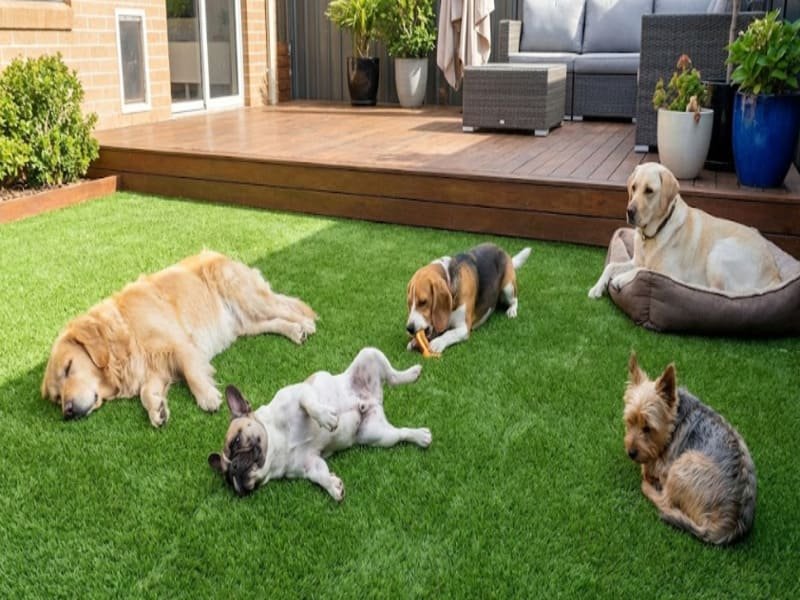
In short, artificial grass outperforms natural grass for dogs by preventing mud generation, resisting digging damage, and neutralizing odors through vertical drainage. However, its suitability depends on your specific climate and installation capabilities—it is the ideal solution for homeowners seeking a low-maintenance, hygienic surface, but requires careful consideration for extreme heat zones.
The Engineering Behind the Switch
From my perspective as a production engineer, natural grass is a biological system that often fails under the mechanical and chemical stresses of dog ownership. Urine burns roots, and claws tear soil structures. Artificial turf is an engineered composite designed to mitigate these specific failure points.
However, it is not a magic wand for every situation. Successful implementation depends on matching the technical specifications to your specific use case (e.g., dog size, local climate, and drainage capacity).
Real vs. Synthetic Performance Analysis
| الميزة | العشب الطبيعي | Engineered Pet Turf |
|---|---|---|
| Urine Impact | Acid burn (yellow spots), lingering smell in soil. | Inert fibers, rapid pass-through drainage. |
| المتانة | Mud creation, bald patches from digging. | High tuft-bind backing, dig-proof weave. |
| الأفضل لـ | Purists, cool climates, light pet traffic. | Heavy urinators, active diggers, muddy regions. |
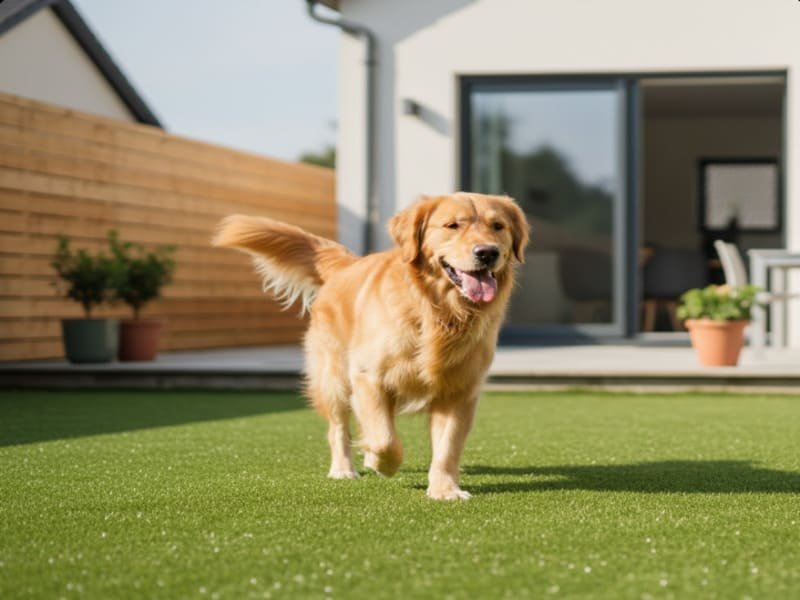
While modern turf solves 90% of pet owners’ problems, understanding that final 10%—the limitations—is what distinguishes a happy customer from a regretful one.
Is Unmatched Durability Built for "Zoomies" and Diggers?
Yes, specialized pet turf uses reinforced double-backing and high-tensile Polyethylene fibers to resist tearing. This "dig-proof" design ensures that even aggressive diggers cannot pull out fibers, while the synthetic surface eliminates mud entirely, regardless of weather or activity intensity.
Analyzing Structural Integrity
The durability of pet turf is determined during the tufting stage. We use a "Double Tuft Bind" method where the fibers are locked into a multi-layer backing system (usually Polyurethane). This creates a pull-force resistance (>50N) that far exceeds what a dog’s claws can generate.
Specific User Scenarios
- For The Diggers: If your dog digs for fun (tactile), this turf stops them. Note: If they dig for moles/bugs, the turf stops the digging, and the lack of soil eventually discourages the bugs.
- For The "Zoomies": We use fibers with "Memory Shape" technology (C-shape or S-shape). Unlike flat blades that mat down, these act like microscopic springs, bouncing back after heavy running.
Wear Resistance Metrics
| المكوّن | Standard Turf | Pet Turf |
|---|---|---|
| Tuft Lock | Moderate (~30N) | High (>50N) |
| Mud Potential | High (Soil based) | Zero (Aggregate base) |
By removing the soil, we eliminate the mud variable. Rain turns from a "mud-tracking nightmare" into a "free cleaning cycle" for your lawn.
Is the "Pee Problem" Solved by Superior Drainage and Hygiene?
Absolutely. High-quality pet turf features edge-to-edge permeable backing capable of draining 60+ gallons per hour/yard. This prevents urine from pooling, while antimicrobial additives inhibit bacteria, making it significantly more hygienic than soil that traps liquids.
Vertical Drainage Engineering
The critical engineering difference is the backing. Old turf used "hole-punch" drainage (water must find a hole). Pet turf uses fully permeable backing.
Engineering Reality Check: Where Does the Smell Go?
Urine smell comes from ammonia crystals formed when bacteria break down urea.
- The Flow: Liquids pass through the backing into the crushed rock sub-base immediately.
- The Trap: Natural soil retains urine. Artificial turf flushes it.
- The Limitation: If installed on concrete (like a balcony) without a drainage mat, urine سوف pool and smell. Proper airflow under the turf is non-negotiable.
Drainage Efficiency Comparison
| Drainage Type | Flow Rate | الملاءمة |
|---|---|---|
| نافذ بالكامل | >100+ inches/hour | Best for Multi-Dog Homes |
| Hole-Punched | ~30 inches/hour | Okay for Single, Small Dogs |
| Solid/Glued | صفر | Do Not Use for Pets |
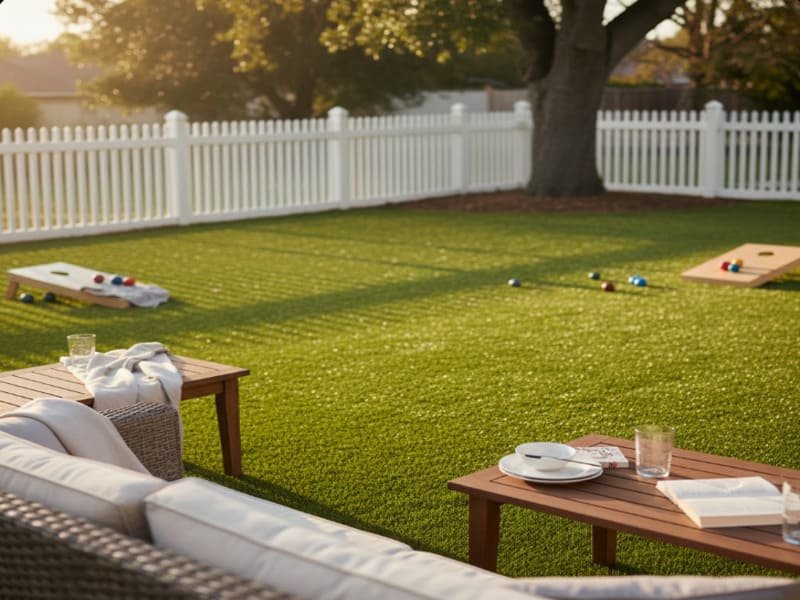
Quick Summary for Heavy Urinators: If you have multiple large dogs, fully permeable backing is mandatory to prevent odor buildup.
Is It a Chemical-Free Playground for Safety and Health?
High-standard artificial grass is manufactured to be lead-free and non-toxic, eliminating the need for dangerous pesticides and fertilizers. This creates a hypoallergenic, sterile environment that naturally deters ticks and fleas, offering a safer alternative for pets with allergies.
Material Composition and Toxicology
We manufacture using virgin Polyethylene (PE) and Polypropylene (PP)—the same plastics used in food containers. They are chemically inert and free from heavy metals like lead.
Solving the "Vet Visit" Problems
- Allergies: Many dogs suffer from contact dermatitis caused by grass pollen or fertilizers. Artificial turf removes these allergens entirely.
- Pests: Ticks and fleas need moist soil and organic matter to reproduce. A synthetic lawn with a stone sub-base is a biological desert for pests, naturally reducing their population without chemicals.
Safety Certification Checklist
| مخاوف تتعلق بالسلامة | الحل |
|---|---|
| Toxicity | Lead/Cadmium-free extrusion. |
| Pests | Inorganic environment (No food/nesting). |
| Fertilizers | Zero requirement (Safer for paw licking). |
By eliminating the need for chemical upkeep, you remove the primary source of toxins in your dog’s environment.
Does It Get Too Hot for Paws? (The Honest Truth)
Synthetic surfaces do retain more heat than natural grass. While "CoolPlus" technology reflects IR radiation to reduce temperature, in extreme heat (40°C+) without shade, the surface can become uncomfortable. Mitigation strategies like shading or water sprinkling are essential in hot climates.
Thermal Dynamics & Limitations
Let’s be transparent: Plastic heats up.
- The Technology: We use IR-reflective pigments in the fiber extrusion to lower heat absorption by ~15-20%.
- The Reality: On a scorching summer day in direct sun, it will still be warmer than grass.
When is it NOT Suitable? (Boundary Conditions)
- Extreme Desert Climates: If you live in an area like Arizona and have zero shade in your yard, artificial grass might not be the primary choice for midday use unless you install shade sails.
- Sensitive Paws: For puppies or senior dogs with sensitive pads, we strictly recommend "Cooling Infill" (holds moisture) or ensuring the installation area has partial shade.
Heat Management Strategies
| الاستراتيجية | الفعالية |
|---|---|
| Evaporative Cooling | A 2-minute hose spray drops temp instantly. |
| Shade Sails/Trees | Prevents heat buildup (Most Effective). |
| Cooling Infill | Hydrophilic additives release moisture slowly. |
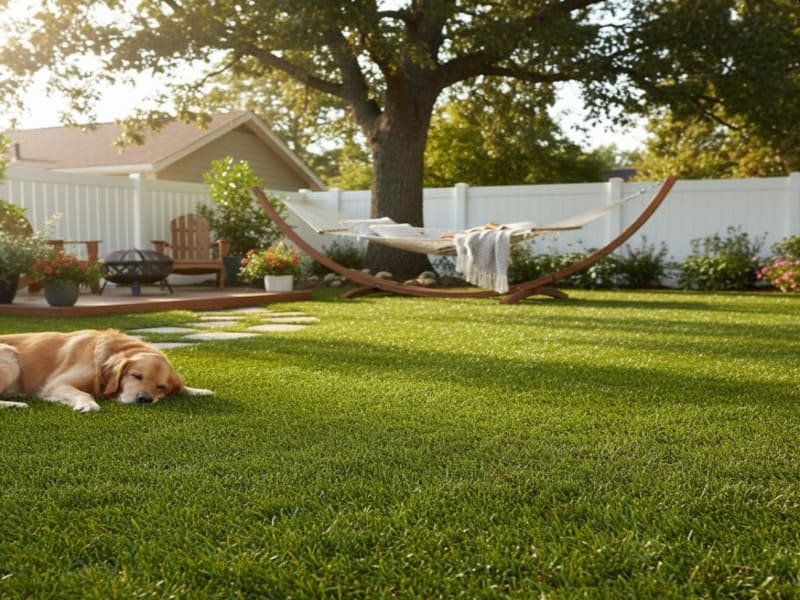
Verdict: It is safe for 95% of climates, but in peak summer, treat it like a paved surface—check the temp with your hand before letting the dog out.
What Features Should You Look for When Buying?
Select a specific "Pet System": a pile height of 25-30mm for easy waste scooping, a high face weight for durability, and—most importantly—silica or zeolite infill (never crumb rubber). Avoid glue-down installations if you are a renter or lack drainage.
The "Right" Spec for Your Dog
Not all grass is created equal. Here is the engineer’s selection matrix based on your specific situation:
| Your Situation | Recommended Spec | لماذا؟ |
|---|---|---|
| Large / Active Dogs | High Face Weight (80oz) | Withstands heavy trampling without flattening. |
| Multi-Dog Home | Fully Permeable Backing | Maximum drainage speed for high urine volume. |
| Apartment / Balcony | Short Pile + Drainage Mat | حرجة: Needs a grid mat underneath for airflow (prevents trapped urine). |
| المستأجرون | Modular / Loose Lay | Do not glue. Use heavy pots to weigh down corners. |
The Infill Warning
- تجنب: Crumb Rubber. It traps heat and smells like a tire factory when hot.
- Choose: Zeolite (Odor Control). This mineral negatively charges ammonia molecules, trapping the gas until rain washes it away.
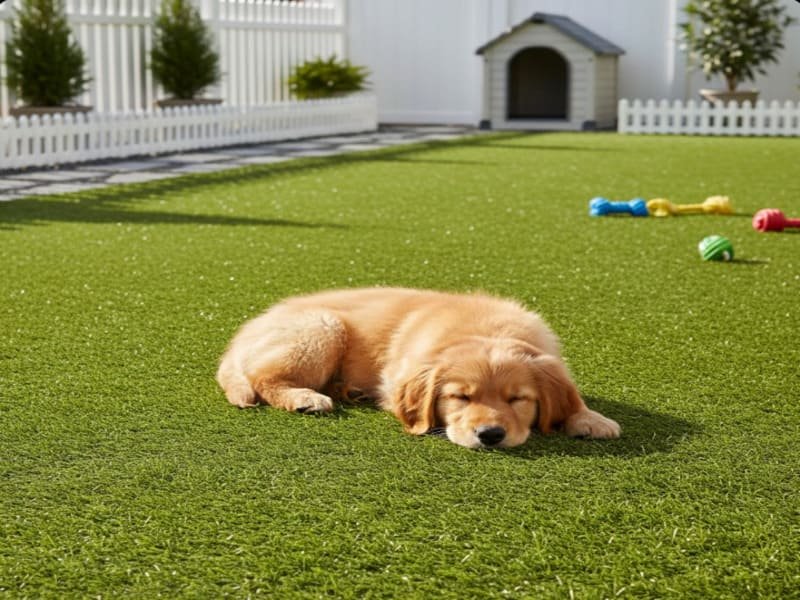
Engineering Reality Check: When NOT to Buy
- If you cannot install a sub-base: Installing directly over uneven dirt creates a mud bath underneath the plastic.
- If you rent and can’t secure it: Loose edges can be a tripping hazard or a "chew toy" for bored dogs.
Is It Really Zero Maintenance?
It is low maintenance, not zero. To keep it odorless and fresh, you must rinse it weekly to flush urine crystals and occasionally use an enzyme cleaner. Solid waste is easier to clean than on grass, but "no maintenance" is a marketing myth.
The Maintenance Protocol
- Solids: Scoop as usual. The shorter pile allows for a cleaner pickup than tall natural grass.
- Liquids: Rain helps, but a weekly hose-down is best practice, especially during dry spells.
- Deep Clean: If you smell odor, use an Enzyme Cleaner (Bio-enzymatic). It eats the bacteria causing the smell. Never use bleach.
Maintenance Schedule
| التردد | المهمة | المزايا |
|---|---|---|
| أسبوعياً | Quick Rinse | Flushes urine into the sub-base. |
| شهرياً | Stiff Brushing | Keeps blades standing upright. |
| ربع سنوي | Enzyme Spray | Resets the bacterial balance. |
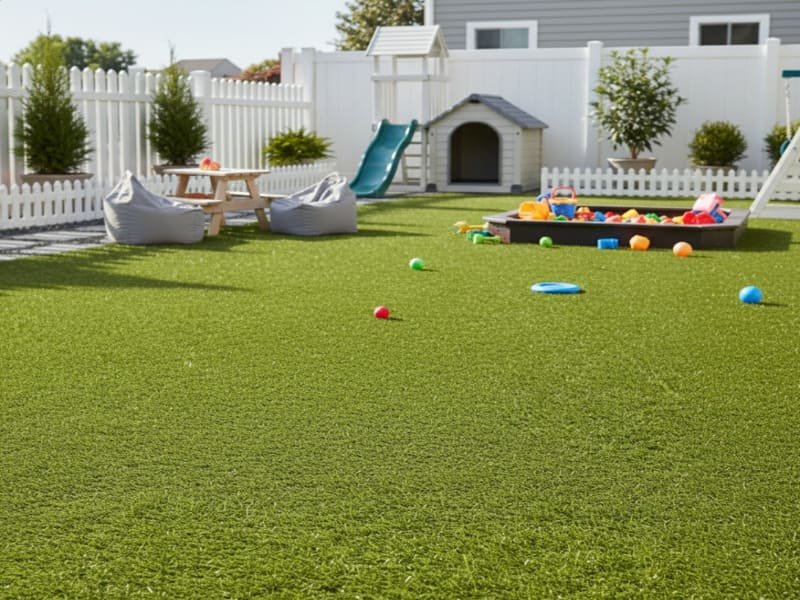
الخاتمة
Is artificial grass worth it for dog owners?
So, in short: Artificial grass is superior to natural grass for dogs because it separates the "green look" from the "biological mess." It eliminates mud, stops digging, and provides a sanitary environment—provided you select a permeable backing and manage surface temperature in extreme heat.
It transforms your backyard from a maintenance burden into a 365-day usable playground.
Ready to Upgrade Your Pet’s Play Area?
If you are unsure if your specific yard condition (or dog breed) is suitable for turf, my engineering team can offer a frank assessment. Contact us today for a technical consultation or request a durable sample box to test against your dog’s claws.
السيرة الذاتية للمؤلف
Expert Production Engineer
With over a decade in polymer manufacturing, I specialize in the engineering of synthetic turf systems. I focus on the intersection of material science and practical application, helping custom and bulk clients design turf that withstands real-world stresses—from UV radiation to Great Danes. My goal is to bridge the gap between manufacturing specs and homeowner satisfaction.