


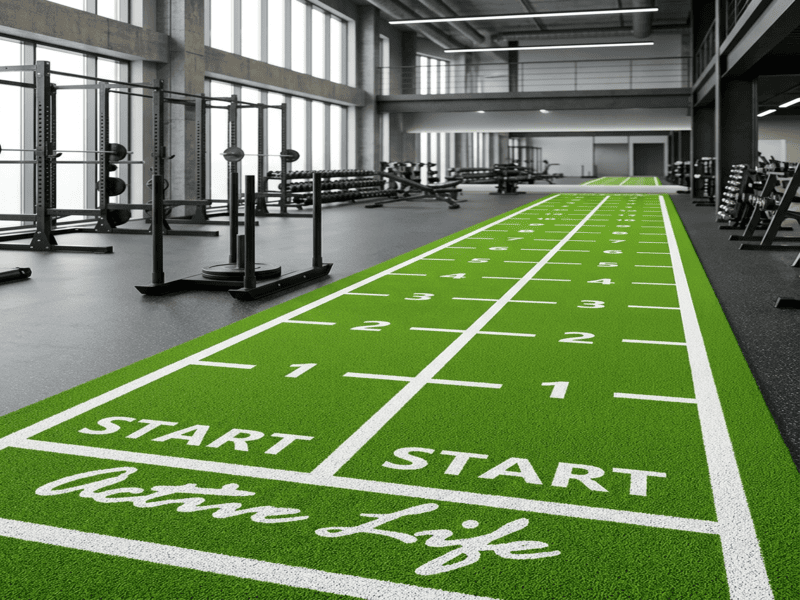
Face weight, Dtex, gauge, and stitch rate are the four core technical metrics that define the quality, durability, and appearance of artificial turf. Understanding these numbers allows you to measure the actual density and fiber strength of the grass beyond just its visual appearance or soft feel.
In my years as an R&D engineer for gym turf, I have seen many buyers choose a product because it felt thick in their hand, only to be disappointed six months later. A small hand sample can be very misleading because it does not show how the grass performs over a large area. You need to look at the spec sheet because it tells the truth about the raw materials used. If you only look at the sample, you might miss that the internal structure is weak. Decoding these numbers is the only way to ensure you get the performance you paid for. It helps both homeowners and contractors compare different brands on a level playing field without relying on marketing talk.
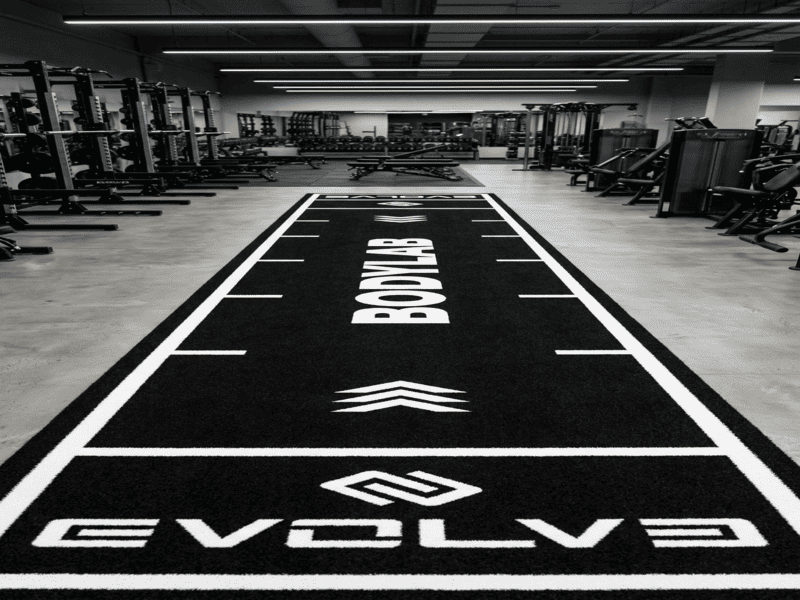
You need to know how these individual parts build the whole product before you make a purchase.
Why Do These Numbers Matter for Your Selection?
These numbers matter because they determine the life span and "recovery" ability of your artificial grass under heavy foot traffic. Without checking the spec sheet, you cannot tell if a lawn will stay upright or flatten into a plastic mat after one summer of use.
Breaking Down the Importance of Data
When I design a new turf product, I look at the balance of these four metrics to hit a specific performance goal. For example, a gym turf needs a high stitch rate and high Dtex to handle sled pushes, whereas a residential lawn might prioritize a specific gauge for a natural look. If you ignore the data, you are just guessing. I always tell my partners that a "heavy" turf is not always a "strong" turf. You must look at how the weight is distributed between the primary blades and the thatch.
| المواصفات | Primary Role | التأثير على المستخدم |
|---|---|---|
| وزن الوجه | Material Volume | Determines "plushness" and price point |
| دتكس | Fiber Strength | Affects how well blades stand back up |
| المقياس | Row Spacing | Controls the visual "fullness" of the lawn |
| معدل الغرز | Linear Density | Prevents the "patchy" look in the rows |
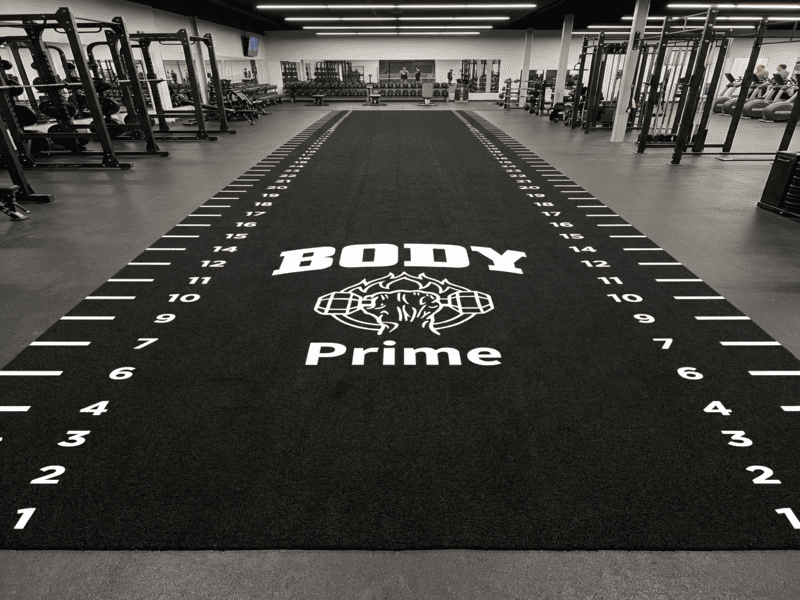
This information will help you see through the sales pitch and find the right material.
What is Face Weight and Is Higher Always Better?
Face weight is the weight of the yarn per square yard, excluding the weight of the backing material. While a higher face weight often means a thicker and more luxurious lawn, it does not always mean the grass is more durable or better for every specific application.
The Truth About Weight and Durability
In the lab, we distinguish between face weight and total weight. Some manufacturers include the backing weight to make the product seem heavier. This is a trap. You should only care about the weight of the fibers. A face weight of 40–60 oz is great for low-traffic areas like pet runs where drainage is more important than plushness. For a high-end backyard or a commercial gym, you want 70–90+ oz for that dense, soft feel. However, I have seen 90 oz turf with poor fiber quality that fails faster than a 60 oz turf with high-grade Dtex.
| Face Weight Range | أفضل حالة استخدام | Expected Traffic |
|---|---|---|
| 40 أونصة - 50 أونصة | Decorative/Pet Areas | Light to Moderate |
| 60 oz – 70 oz | سكني قياسي | Moderate to Heavy |
| 80 oz – 100 oz+ | Luxury/Commercial | Very Heavy |
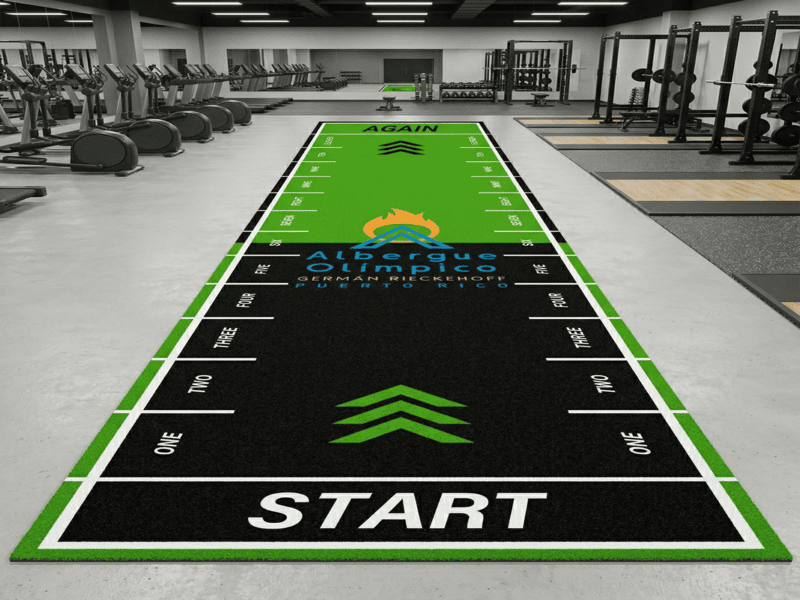
This brings us to the actual quality of those fibers, which is measured by Dtex.
Why is Dtex the Most Important Metric for Longevity?
Dtex, or Decitex, measures the weight of 10,000 meters of a single yarn fiber in grams. It tells you the thickness and mass of the individual grass blades, which directly influences how well the grass resists flattening and how long it lasts under the sun.
The Balance of Fiber Thickness
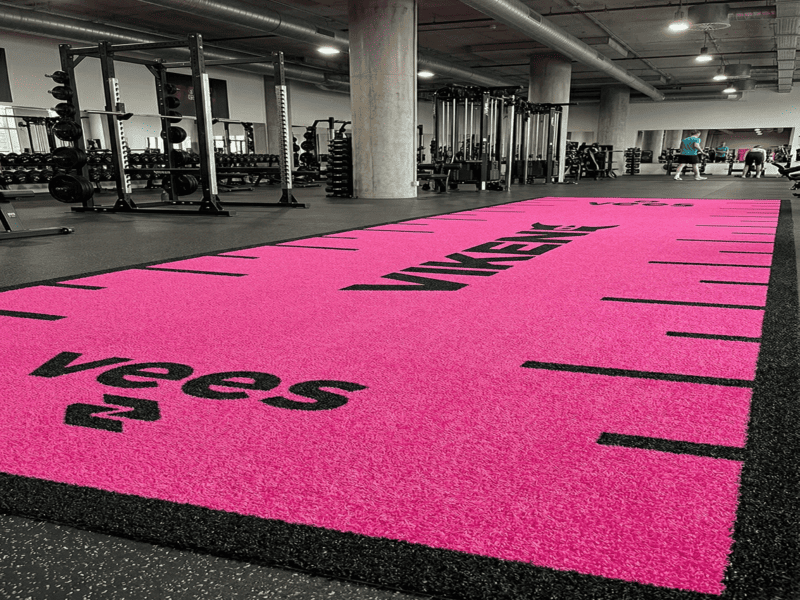
If the Dtex is low, the blades are thin and soft, but they will likely fall flat after you walk on them a few times. If the Dtex is high, the blades are thick and resilient. In my experience, a high Dtex is essential for gym turf where heavy equipment is used. But there is a trade-off. High Dtex can make the grass feel a bit stiff or "plasticky." We solve this by using different blade shapes. A C-shape or W-shape blade with a high Dtex will stay upright much better than a flat blade.
| Dtex Value | Fiber Profile | Performance Characteristic |
|---|---|---|
| 5,000 – 8,000 | Thin / Fine | Very soft but prone to matting |
| 10,000 – 12,000 | Medium / Standard | Good balance for home lawns |
| 14,000 – 18,000+ | Thick / Heavy Duty | High resilience for sports and gyms |
You also need to look at how these fibers are spaced out, which is where gauge comes in.
How Does Gauge Affect the Visual Density of the Lawn?
Gauge is the distance between the rows of stitched grass, usually measured in inches like 3/8" or 3/4". A narrower gauge puts the rows closer together, which creates a denser and more uniform surface that looks like a high-quality carpet.
Understanding Row Spacing
When we manufacture turf, the gauge is fixed by the machine settings. A 3/8" gauge is the industry standard for residential lawns because it provides a full look without being too expensive. If the gauge is wider, like 3/4", you will see "lines" in the grass unless the stitch rate is very high to compensate. In my R&D work, I find that wider gauges are useful for sports fields where you need more space for "infill" (like sand or rubber) to settle between the blades. For a home, stay with a narrower gauge.
| Common Gauge | Spacing (mm) | تطبيق مشترك |
|---|---|---|
| 3/8 بوصة | 9.5 mm | Residential and Gym Turf |
| 1/2 بوصة | 12.7 mm | مناطق متعددة الأغراض |
| 3/4 بوصة | 19.0 mm | Putting greens or sports fields |
Once the gauge is set, we have to decide how many stitches to put in each row.
What is Stitch Rate and Why Does it Cause "Patchy" Grass?
Stitch rate is the number of tufts per 10 centimeters along a single row. If the stitch rate is too low, the grass will look sparse or "patchy" because there are not enough fibers to fill the space between the stitches.
The Formula for Total Density
The stitch rate and gauge together determine the total density of the turf. You can have a heavy face weight, but if the stitch rate is low, the grass will look like it has bald spots when the blades lean over. I have seen products where the manufacturer tries to save money by reducing the stitch rate but using a thicker, cheaper fiber. This makes the weight look good on paper, but the product looks poor once installed. You want a high stitch rate to ensure the "thatch" layer is thick enough to support the primary blades.
| متري | High Stitch Rate | Low Stitch Rate |
|---|---|---|
| المظهر | Full and lush | Thin and "linear" |
| الدعم | Excellent blade uprightness | Blades tend to flatten |
| التكلفة | Higher due to more yarn | Lower due to less material |
Now you can see how these three main factors interact to form the "Golden Trio."
How Do the Golden Trio of Specs Interact for Performance?
The interaction between face weight, gauge, and stitch rate creates the final product’s density and durability. You cannot judge a product by one number alone because a high value in one area can be cancelled out by a low value in another.
Balancing the Technical Equation
Think of it as a math problem. If you have a wide gauge (3/4") but a very high stitch rate and a high Dtex, the turf can still feel very dense. But if you have a high face weight and a wide gauge with a low stitch rate, you just have a few very heavy blades with lots of empty space between them. This is why I always check the "Density" value, which is the total number of stitches per square meter. For high-traffic gym areas, I always recommend a density of at least 18,900 to 25,200 stitches per square meter.
| الأولوية | Required Specs Mix |
|---|---|
| Maximum Softness | Low Dtex + High Stitch Rate + Narrow Gauge |
| Heavy Sled Work | High Dtex + High Face Weight + High Stitch Rate |
| Pet Drainage | High Gauge + High Dtex (for blade strength) |
You should use these rules to avoid common traps when you read a spec sheet.
What are the Common Traps to Avoid on Spec Sheets?
The most common trap is confusing "Total Weight" with "Face Weight," and another is the "Cheap Fill" trick where manufacturers use heavy, low-quality thatch to inflate the weight while using weak primary blades.
Protecting Your Investment
Manufacturers know that buyers like "heavy" turf. To make a cheap turf seem better, they might add a very heavy layer of curly "thatch" at the bottom. This adds weight but does nothing for the durability of the long green blades you actually see. Also, be careful with samples. A sample is often cut from the best part of the run or is a "hand-tufted" piece that is denser than the actual 100-foot roll you will receive. Always ask for a production spec sheet and a warranty that covers fiber loss and UV degradation.
| Trap | How to Spot It |
|---|---|
| Padded Weight | Check if "Face Weight" includes the backing |
| Weak Blades | Check if Dtex is below 8,000 for a 90 oz turf |
| Sparse Rows | Check if the Gauge is wider than 1/2" for home use |
This checklist will help you make a final decision with confidence.
الخاتمة
Choose turf based on the spec sheet, not just the feel. Always compare the face weight, Dtex, and density of at least three products to find the best value.