


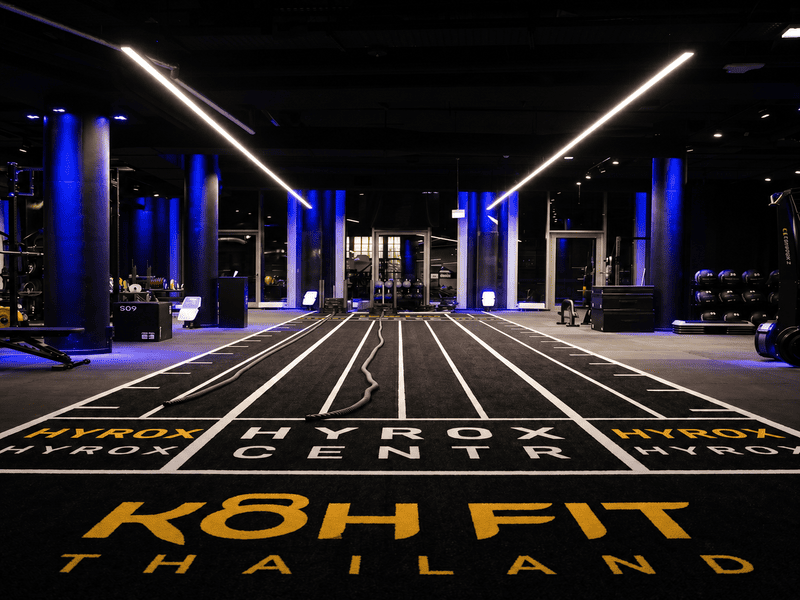
You prevent indoor gym turf odor by stopping moisture accumulation, vacuuming debris daily, using bio-enzymatic disinfectants weekly, and keeping room humidity levels below 55%.
Indoor gym turf looks great and offers high performance for sled pushes or high-intensity interval training. However, it can quickly develop a stubborn, unpleasant smell if you do not manage it properly. This bad odor ruins the user experience, lowers member retention, and signals underlying hygiene issues like bacteria or mold growth. As a quality control specialist who inspects gym turf materials daily, I know that synthetic turf requires specific maintenance compared to traditional rubber flooring. This guide provides a 100% actionable, step-by-step strategy to prevent, identify, and eliminate indoor turf odors for a fresh, clean workout environment.
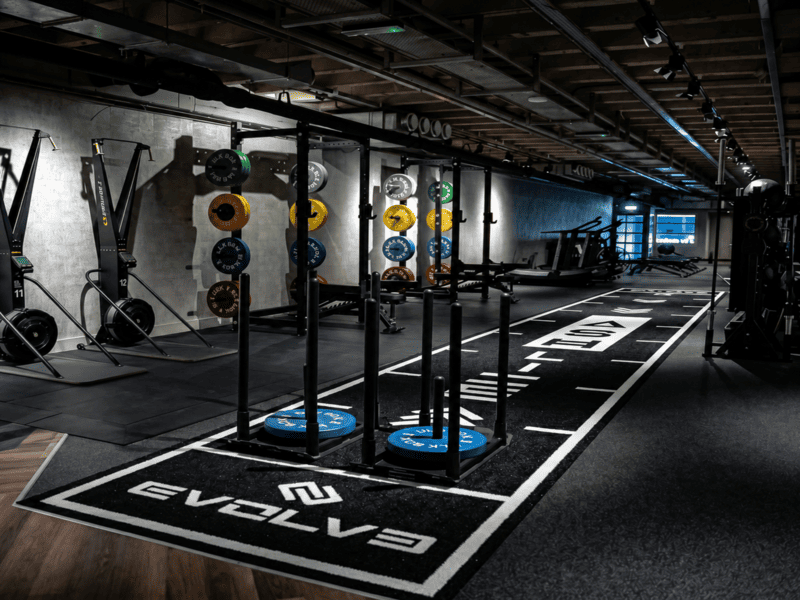
To maintain a premium fitness facility, you must first understand exactly why these odors occur.
Why Does Indoor Gym Turf Smell?
Indoor gym turf smells because it lacks natural rain to wash it and UV sunlight to kill bacteria, which allows sweat, body oils, and spilled drinks to trap inside fibers.
| Source of Odor | Materials Trapped | التأثير على ألياف العشب |
|---|---|---|
| High-Intensity Workouts | Sweat, skin flakes, body oils | Breeds odor-causing bacteria |
| Hydration & Nutrition | Spilled sports drinks, protein shakes | Creates sticky residue and mold |
| حركة المرور على الأقدام | Dust, dirt, shoe debris, outdoor mud | Grinds into the primary backing |
| Gym Environment | High room humidity, stagnant air | Accelerates microbial growth |
Microscopic Trapping in Polymeric Structures
When we look closely at product development, we see that indoor turf lacks natural self-cleaning mechanisms. Sweat and body oils from heavy sled pushes, burpees, and stretching session drop directly into the yarn network. Spilled sports drinks, protein shakes, and water create a sticky base, while dust, dirt, and shoe debris get ground into the backing material. If your facility is pet-friendly, pet accidents add to the organic load.
The science of the stink comes down to simple physics and microbiology. When moisture combines with high humidity and trapped organic matter, it creates the perfect breeding ground for bacteria, mold, and mildew. In my laboratory testing, I notice that high tuft bind strength can sometimes hold onto fine particles if the yarn design is too complex. Without proper air movement, this microbial activity releases volatile organic compounds that cause a strong smell.
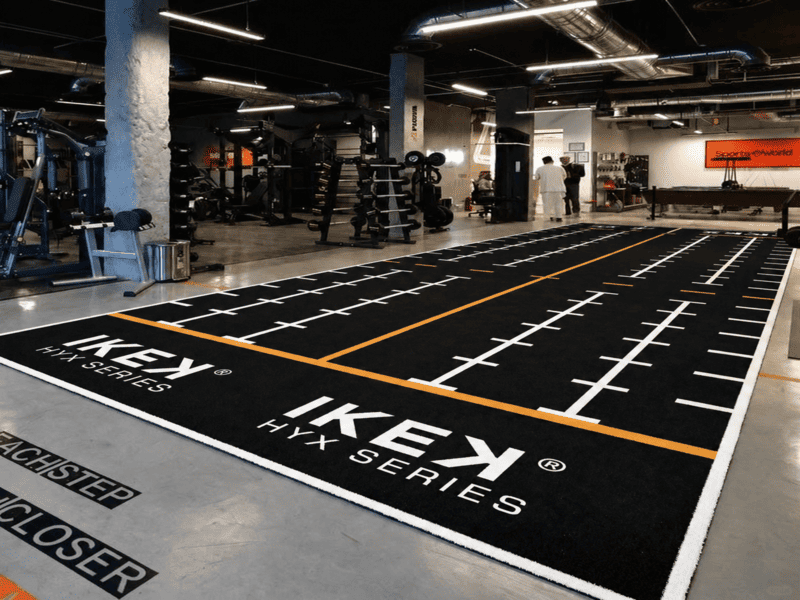
Managing these factors requires careful planning, starting with the actual material selection and installation phase.
What Structural Choices Stop Odor Early?
You can stop odor early by choosing short-pile polyethylene yarn, low-porosity polyurethane backing, antimicrobial sand infills, and a waterproof underlayment system.
| Component Type | المواصفات الموصى بها | Direct Performance Benefit |
|---|---|---|
| Turf Fiber / Yarn | Short-pile polyethylene or nylon | Easy to clean; does not trap dirt |
| مواد الدعم | Polyurethane (PU) backing | Non-porous; rejects moisture absorption |
| مواد الحشو | Acrylic-coated sand with Microban | Prevents bacterial and microbial growth |
| Underlayment Pads | Vapor barrier or closed-cell shock pad | Stops sweat from seeping into concrete |
Engineering a Moisture-Resistant Turf System
Addressing the pain point before it even starts is crucial for readers planning a gym or upgrading flooring. Choosing the right turf type makes a massive difference in long-term maintenance. High-density, short-pile polyethylene or nylon turf is much easier to clean than long, fluffy landscape turf. From a manufacturing perspective, short-pile yarns allow cleaning solutions to reach the primary backing easily during wash cycles.
The backing material serves as your main defense line. You should opt for polyurethane backing over latex because polyurethane is less porous and absorbs less moisture or odor. Latex tends to degrade and absorb liquids over time, which locks in smells.
Proper infill selection also plays a major role. You must avoid crumb rubber indoors because it retains odor and heat. Instead, I recommend antimicrobial infills like acrylic-coated sand with Microban, or skipping infill entirely for indoor agility zones. Finally, your secret weapon is underlayment and drainage. Installing a vapor barrier or a closed-cell shock pad underneath prevents sweat from seeping into the concrete below, where it can rot silently.
Once you install the correct turf system, you must implement a strict maintenance shield to protect it.
What Maintenance Routines Shield Turf From Smells?
A proper maintenance shield requires dry vacuuming and spot cleaning daily, followed by mechanical brushing and disinfectant spraying every week.
| Maintenance Type | التردد | Required Action Steps |
|---|---|---|
| إزالة الحطام | يومياً | Vacuum with high-efficiency dry vacuum |
| التنظيف الموضعي | يومياً | Wipe spills immediately with pH-neutral cleaner |
| Deep Agitation | أسبوعياً | Brush with a synthetic turf rake or stiff broom |
| التعقيم | أسبوعياً | Spray a non-rinse, turf-safe disinfectant |
Operational Workflows for Facility Maintenance
Daily action steps keep surface contaminants from sinking deeper into the pile. For debris removal, use dry vacuuming with a high-efficiency vacuum. Make sure to use a vacuum without a lifestyle beater bar, as spinning plastic bars can fray synthetic fibers and ruin the look. For spot cleaning, create an immediate response protocol for spills using a microfiber cloth and a gentle, pH-neutral cleaner.
Weekly action steps focus on deeper fiber restoration. Use deep agitation by brushing the turf with a synthetic turf rake or a stiff-bristled broom. This action fluffs up the yarns and releases trapped dirt from the base. After brushing, perform sanitization spraying by applying a non-rinse, turf-safe disinfectant across the entire surface.
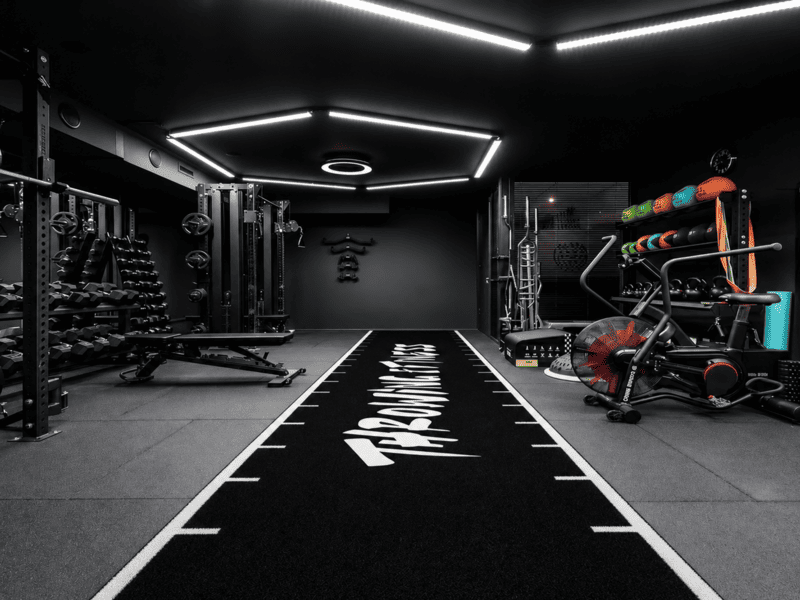
Choosing the wrong chemicals during these steps can permanently ruin your technical textiles, so product selection is vital.
How Do You Choose Safe Cleaning Products?
You choose safe cleaning products by selecting bio-enzymatic cleaners, EPA-registered disinfectants, and pH-neutral formulas while avoiding harsh bleach or ammonia.
| Product Attributes | ما الذي تبحث عنه | What to Avoid |
|---|---|---|
| Chemical Action | Bio-enzymatic live bacteria formulas | Harsh bleach or ammonia solutions |
| الصحة والسلامة | EPA-registered against Staph/MRSA | Heavy alcohol-based sanitizers |
| Material Safety | pH-neutral formulas (pH 6.0 to 8.0) | Acidic or highly alkaline chemicals |
Chemical Compatibility with Synthetic Polymers
When looking for a turf cleaner, look for bio-enzymatic cleaners. These products contain live bacteria that literally eat organic odor molecules like sweat and urine. You also need EPA-registered disinfectants that target Staph, MRSA, and ringworm to ensure gym safety. Always verify that you are using pH-neutral formulas that will not degrade the synthetic turf yarns or primary backing.
There is a major danger zone here. Avoid harsh bleach or ammonia because these chemicals break down the polyurethane backing, discolor the green fibers, and create toxic indoor fumes for your members. You must also avoid heavy alcohol-based sanitizers. Alcohol dries out plastic components, which causes synthetic yarns to split, crack, and shed prematurely under heavy foot traffic.
Even with excellent chemicals, your indoor climate dictates how fast bacteria can multiply on the gym floor.
How Does Indoor Climate Control Turf Odor?
Indoor climate controls turf odor by keeping relative humidity below 55% and using continuous ventilation to dry the turf rapidly.
| Climate Parameter | Target Specification | المعدات المطلوبة |
|---|---|---|
| Relative Humidity | Below 50% to 55% | Commercial dehumidifiers |
| Air Exchange Rate | Continuous circulation | High-volume low-speed (HVLS) fans |
| نطاق درجة الحرارة | 18°C to 22°C | Facility HVAC system |
Atmospheric Impact on Moisture Evaporation
Airflow is key because stagnant air accelerates bacterial growth by trapping moisture close to the floor. Managing humidity levels means keeping gym humidity below 50% to 55% using commercial dehumidifiers. This ensures that the turf dries rapidly after cleaning or heavy sweat sessions.
For ventilation, utilize high-volume low-speed fans to keep air moving across the turf surface. Moving air speeds up evaporation and stops mold spores from settling on the backing material. If your HVAC system just recirculates damp air, bacteria will continue to grow regardless of how much disinfectant you spray.
If your facility already suffers from a severe odor problem, you need to use an intensive restoration process.
How Do You Eliminate Existing Stubborn Odors?
You eliminate existing stubborn odors by using low-moisture extraction cleaning, flooding the area with bio-enzymatic shock treatments, and using air movers.
| Restoration Step | Action Protocol | Target Execution Time |
|---|---|---|
| Step 1: Extraction | Clean with a low-moisture professional turf scrubber | 1 to 2 hours |
| Step 2: Shocking | Flood the area with heavy-duty enzymatic solution | 30 to 45 minutes dwell time |
| Step 3: Drying | Run high-velocity air movers and carpet fans | 2 to 4 hours maximum |
Emergency Deep Cleaning Protocols
For readers whose turf already smells and who need an emergency fix, follow this three-step process. First, perform deep extraction cleaning by renting or buying a low-moisture carpet extractor or a professional turf scrubbing machine. This machine pulls out the deeply embedded mud and sweat residue.
Second, apply the shock treatment. Flood the smelly area with a heavy-duty enzymatic odor eliminator and allow it to sit or dwell according to the label instructions. This gives the bacteria colonies time to break down the old sweat layers. Third, complete the dry-out phase. Use high-velocity air movers or carpet fans to dry the turf completely within 2 to 4 hours to prevent new mold from setting in.
To help you manage this plan long-term, use this quick operational checklist for your daily maintenance team.
Gym Owner Maintenance Checklist
- Daily Actions:
- Vacuum entire surface with a brush-free vacuum.
- Spot-clean spills immediately with microfiber cloths.
- Weekly Actions:
- Brush fibers with a synthetic turf rake to lift pile.
- Spray EPA-registered, non-rinse disinfectant.
- Monthly Actions:
- Perform deep extraction cleaning with a turf scrubber.
- Inspect edges and seams for lifting or moisture traps.
- Always Maintain:
- Keep facility humidity levels below 55%.
- Run ventilation fans continuously during operational hours.
الخاتمة
Turf odor prevention is an ongoing habit, not a one-time fix. A clean, fresh-smelling turf area protects your gym investment, elevates your brand image, and keeps members coming back.
If you are planning to upgrade your gym flooring or need technical advice on custom, odor-resistant Gym Turf manufacturing with optimized polyurethane backing systems, feel free to send me a private message! Let’s work together to design a clean, high-performance solution for your facility. 私信我!